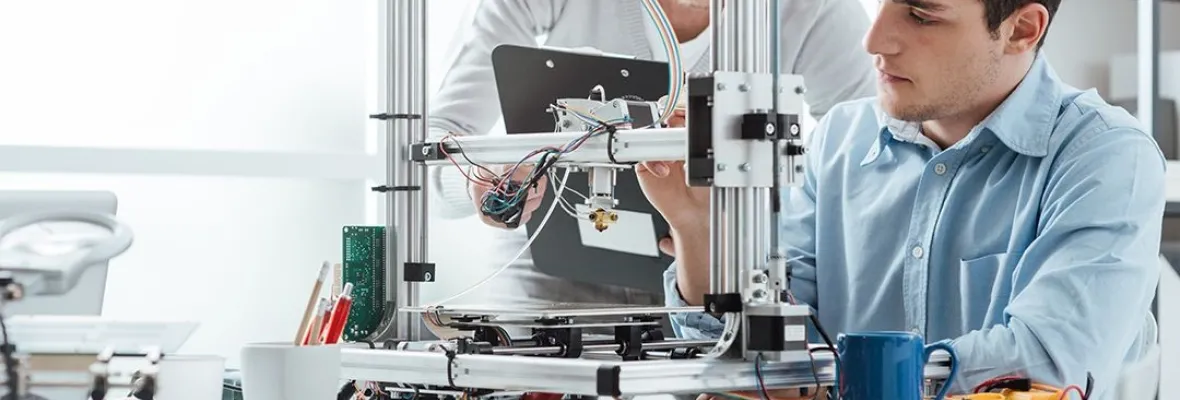
AAU universities conduct a majority of the federally funded university research that contributes to our economic competitiveness, health and well-being, and national security. AAU universities are growing our economy through invention and innovation while preparing the next generation of scientists and engineers for global leadership. By moving research into the marketplace AAU universities are helping to create jobs, and provide society with new medicines and technologies.
A study by researchers at Duke University School of Medicine found that supplying healthy mitochrondra to damaged nerve cells can signifantly help millions managing pain from diabetic neuropathy and chemotherapy.

Researchers from the USF College of Marine Science are studying soft tissue samples from barnacles, oysters, and fish to better understand the state of contamination and its origins in Tampa Bay, Florida's largest estuary.
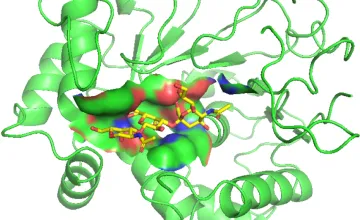
The advancement lays the groundwork for creating a library of sugar-recognizing proteins that may help detect and treat diverse illnesses.
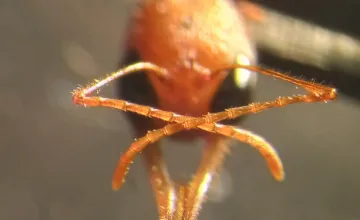
The olfactory senses of ants help them hunt, detect outsiders, and know their role within a colony. In a new study, researchers have discovered how ants can switch one gene on out of hundreds to ensure their survival.
Explore More: University Research
You can filter stories by the university.
According to new research, buckthorn managers have long overestimated the plant, & have given the invasive tree a significant advantage in spreading widely & pushing native species out of woodlands & forests throughout eastern North America.
A recent study shows the potential for AI to help emergency responders make informed and efficient decisions in settings where data is limited.
Researchers have calculated the risk of forced labor across all aspects of the U.S. food supply, excluding seafood.
Researchers at Indiana University have identified a new method of reversing the effects of fentanyl, which is 50 to 100 times stronger than morphine.
A new study shows how rat kidneys can be cryopreserved for up to 100 days & successfully rewarmed using a new innovative nanowarming approach.