
AAU universities conduct a majority of the federally funded university research that contributes to our economic competitiveness, health and well-being, and national security. AAU universities are growing our economy through invention and innovation while preparing the next generation of scientists and engineers for global leadership. By moving research into the marketplace AAU universities are helping to create jobs, and provide society with new medicines and technologies.
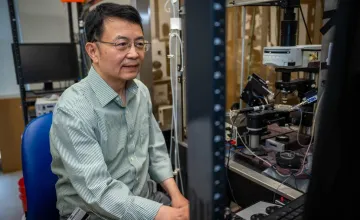
A study by researchers at Duke University School of Medicine found that supplying healthy mitochrondra to damaged nerve cells can signifantly help millions managing pain from diabetic neuropathy and chemotherapy.

Researchers from the USF College of Marine Science are studying soft tissue samples from barnacles, oysters, and fish to better understand the state of contamination and its origins in Tampa Bay, Florida's largest estuary.
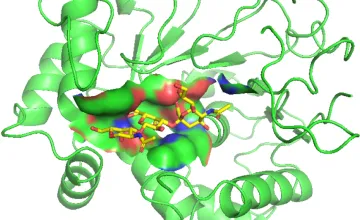
The advancement lays the groundwork for creating a library of sugar-recognizing proteins that may help detect and treat diverse illnesses.
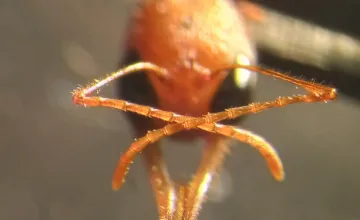
The olfactory senses of ants help them hunt, detect outsiders, and know their role within a colony. In a new study, researchers have discovered how ants can switch one gene on out of hundreds to ensure their survival.
Explore More: University Research
You can filter stories by the university.
MSU researchers are working to reduce the health risks associated with mercury use in artisanal and small-scale gold mining.
Case Western Reserve University researchers are leading the development of a “smart packaging” system to monitor temperature fluctuations, moisture changes and pathogens in perishable food products during transportation.
University at Buffalo researchers found that not only is telemedicine far more effective in treating and curing this population than usual care, the advantages of being cured resulted in sustainable health and social benefits as well.
The Legorreta Cancer Center is hosting two visiting oncologists from Ukraine whose work and lives were interrupted when Russia invaded their country in 2022.
A common, cat-borne parasite already associated with risk-taking behavior and mental illness in humans may also contribute to exhaustion, loss of muscle mass, and other signs of “frailty” in older adults.