
AAU universities conduct a majority of the federally funded university research that contributes to our economic competitiveness, health and well-being, and national security. AAU universities are growing our economy through invention and innovation while preparing the next generation of scientists and engineers for global leadership. By moving research into the marketplace AAU universities are helping to create jobs, and provide society with new medicines and technologies.

A study by researchers at Duke University School of Medicine found that supplying healthy mitochrondra to damaged nerve cells can signifantly help millions managing pain from diabetic neuropathy and chemotherapy.

Researchers from the USF College of Marine Science are studying soft tissue samples from barnacles, oysters, and fish to better understand the state of contamination and its origins in Tampa Bay, Florida's largest estuary.

The advancement lays the groundwork for creating a library of sugar-recognizing proteins that may help detect and treat diverse illnesses.
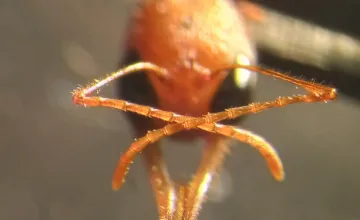
The olfactory senses of ants help them hunt, detect outsiders, and know their role within a colony. In a new study, researchers have discovered how ants can switch one gene on out of hundreds to ensure their survival.
Explore More: University Research
You can filter stories by the university.
Grouping English learners together in classrooms, a longstanding practice in schools, has no impact on reading development for elementary school students.
Additional staffing alone will not be sufficient to bridge the quality-of-care and health outcome disparities among nursing home facilities with varying percentages of residents with dementia.
In a new study, a professor from the University of Rochester outlines the links between atmospheric oxygen and the potential rise of advanced technology on distant planets.
The UB study found that e-cigarette use during pregnancy in adolescents does not statistically significantly correlate with small-for-gestational-age babies
An experimental drug can reduce the toxic changes in tau proteins known to damage neurons in brains with Alzheimer’s disease, researchers report.