
AAU universities conduct a majority of the federally funded university research that contributes to our economic competitiveness, health and well-being, and national security. AAU universities are growing our economy through invention and innovation while preparing the next generation of scientists and engineers for global leadership. By moving research into the marketplace AAU universities are helping to create jobs, and provide society with new medicines and technologies.
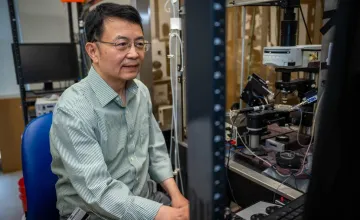
A study by researchers at Duke University School of Medicine found that supplying healthy mitochrondra to damaged nerve cells can signifantly help millions managing pain from diabetic neuropathy and chemotherapy.

Researchers from the USF College of Marine Science are studying soft tissue samples from barnacles, oysters, and fish to better understand the state of contamination and its origins in Tampa Bay, Florida's largest estuary.
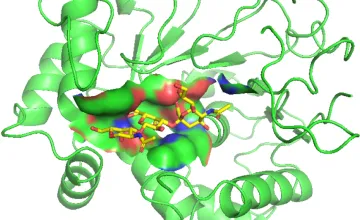
The advancement lays the groundwork for creating a library of sugar-recognizing proteins that may help detect and treat diverse illnesses.
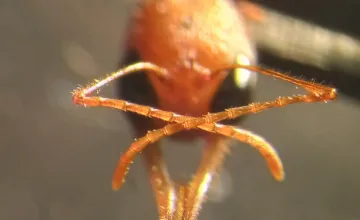
The olfactory senses of ants help them hunt, detect outsiders, and know their role within a colony. In a new study, researchers have discovered how ants can switch one gene on out of hundreds to ensure their survival.
Explore More: University Research
You can filter stories by the university.
A new study from psychologists at the University of Kansas gauges the quality of the evidence from more than 500 randomized controlled trials of a common treatment for depression, Acceptance and Commitment Therapy (ACT)
a team of scientists led by Brown University researchers describes using atmospheric data from Venus and computer modeling to show that it’s current atmosphere and surface pressure would only have been possible as a result of an early form of plate tectonics
Yale is developing vaccines that combat a variety of infections by thwarting the ability of ticks to feed and even alert human hosts when they have been bitten.
A spacecraft the size of a cereal box has collected precise measurements of the atmospheres of large and puffy planets called “hot Jupiters.” The findings, led by a team from CU Boulder, could help reveal how the atmospheres around these and a host of other worlds are escaping into space.
A large-scale satellite mapping project, co-founded by a Brown researcher is helping archaeologists identify sweeping climate and cultural changes that occurred in the Andes Mountains over the last millennium.