
AAU universities conduct a majority of the federally funded university research that contributes to our economic competitiveness, health and well-being, and national security. AAU universities are growing our economy through invention and innovation while preparing the next generation of scientists and engineers for global leadership. By moving research into the marketplace AAU universities are helping to create jobs, and provide society with new medicines and technologies.

A study by researchers at Duke University School of Medicine found that supplying healthy mitochrondra to damaged nerve cells can signifantly help millions managing pain from diabetic neuropathy and chemotherapy.

Researchers from the USF College of Marine Science are studying soft tissue samples from barnacles, oysters, and fish to better understand the state of contamination and its origins in Tampa Bay, Florida's largest estuary.
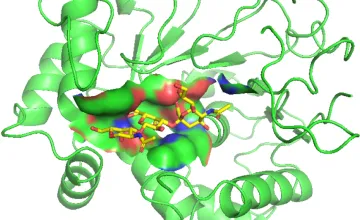
The advancement lays the groundwork for creating a library of sugar-recognizing proteins that may help detect and treat diverse illnesses.

The olfactory senses of ants help them hunt, detect outsiders, and know their role within a colony. In a new study, researchers have discovered how ants can switch one gene on out of hundreds to ensure their survival.
Explore More: University Research
You can filter stories by the university.
A recent study by Case Western Reserve University used national data from U.S. military veterans with diabetes to validate and modify a widely accepted model used to predict the risk of heart failure in diabetic patients.
Even though solar home systems are becoming cheaper and easier to access, barriers to their adoption persist among remote communities in developing countries, where solar panels can promote health and education, according to a new study of two rural villages in Ethiopia.
Stanford Medicine researchers develop a new imaging method to create a cell-by-cell reconstruction of skin or other tissue without taking a biopsy.
New research conclude that gossipers have an evolutionary edge not only because they spread useful information about people’s reputations but also because they encourage people to behave less selfishly.