
AAU universities conduct a majority of the federally funded university research that contributes to our economic competitiveness, health and well-being, and national security. AAU universities are growing our economy through invention and innovation while preparing the next generation of scientists and engineers for global leadership. By moving research into the marketplace AAU universities are helping to create jobs, and provide society with new medicines and technologies.
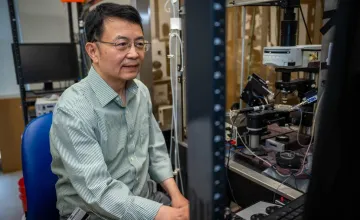
A study by researchers at Duke University School of Medicine found that supplying healthy mitochrondra to damaged nerve cells can signifantly help millions managing pain from diabetic neuropathy and chemotherapy.

Researchers from the USF College of Marine Science are studying soft tissue samples from barnacles, oysters, and fish to better understand the state of contamination and its origins in Tampa Bay, Florida's largest estuary.
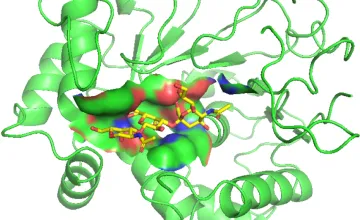
The advancement lays the groundwork for creating a library of sugar-recognizing proteins that may help detect and treat diverse illnesses.
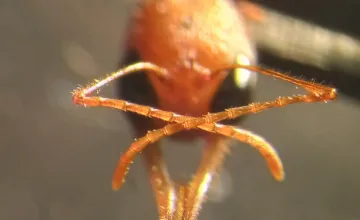
The olfactory senses of ants help them hunt, detect outsiders, and know their role within a colony. In a new study, researchers have discovered how ants can switch one gene on out of hundreds to ensure their survival.
Explore More: University Research
You can filter stories by the university.
Researchers at UPenn are exploring how the algorithms that conduct network analysis can be designed to guarantee certain privacy protections.
Despite several safe drug therapies available to help smokers quit, three-quarters report relapsing within six months of a quit attempt.
Using lessons from the energy sector, Stanford researchers outline strategies to bring the nation's water infrastructure into the 21st century.
The internet has become so critical to our society that addressing its weaknesses is like “operating on a live patient,” says Mark Crovella, a Boston University College of Arts & Sciences (CAS) computer science professor and department chair. CAS computer scientists are taking on the challenge of securing a platform designed for open access while protecting our liberties.
The results of an American presidential election—from a population of 220 million eligible voters with no federal ID cards—has unparalleled implications for global politics.
The Johns Hopkins University | Protecting Individual Data | Protecting Systems | Safeguarding the Connected World | University Research