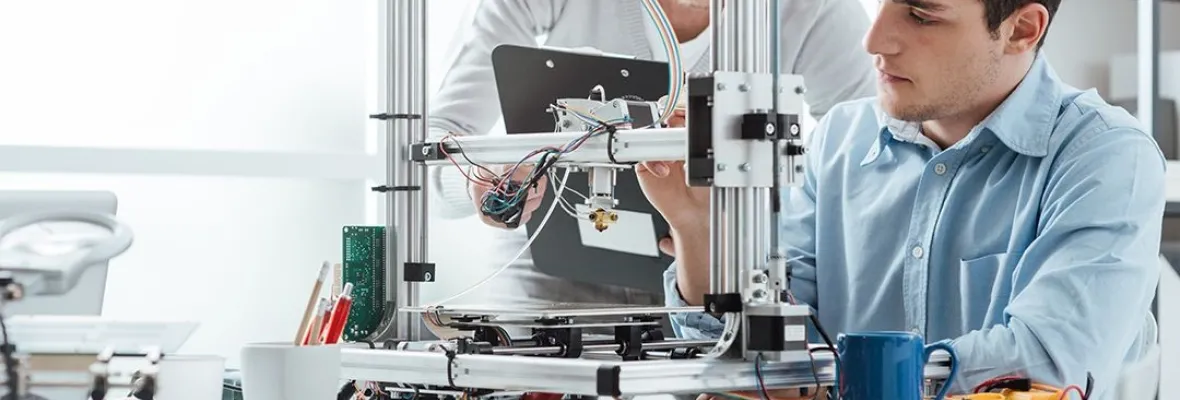
AAU universities conduct a majority of the federally funded university research that contributes to our economic competitiveness, health and well-being, and national security. AAU universities are growing our economy through invention and innovation while preparing the next generation of scientists and engineers for global leadership. By moving research into the marketplace AAU universities are helping to create jobs, and provide society with new medicines and technologies.
A study by researchers at Duke University School of Medicine found that supplying healthy mitochrondra to damaged nerve cells can signifantly help millions managing pain from diabetic neuropathy and chemotherapy.

Researchers from the USF College of Marine Science are studying soft tissue samples from barnacles, oysters, and fish to better understand the state of contamination and its origins in Tampa Bay, Florida's largest estuary.
The advancement lays the groundwork for creating a library of sugar-recognizing proteins that may help detect and treat diverse illnesses.
The olfactory senses of ants help them hunt, detect outsiders, and know their role within a colony. In a new study, researchers have discovered how ants can switch one gene on out of hundreds to ensure their survival.
Explore More: University Research
You can filter stories by the university.
You can add chronic kidney disease to the list of health conditions linked to outdoor air pollution.
University of Michigan researchers have developed a new chip that has the potential to revolutionize cancer treatment by enabling doctors to plan customized treatments, monitor genetic changes, and flag the presence of aggressive cells that are likely to spread cancer.
Researchers at the University of Pittsburgh have created a pneumatic wheelchair that uses high-pressured air as an energy source instead of heavy batteries and electronics.
Researchers at Stony Brook University were awarded $3.5M by the Office of Naval Research to help guard against online security breaches that threaten personal data.
Stony Brook University - The State University of New York | Protecting Individual Data | Safeguarding the Connected World | University Research
Researchers at Michigan State University are working to solve one of the biggest problems facing fingerprint recognition systems today: How can you be sure the finger being used is actually a human finger?