
AAU universities conduct a majority of the federally funded university research that contributes to our economic competitiveness, health and well-being, and national security. AAU universities are growing our economy through invention and innovation while preparing the next generation of scientists and engineers for global leadership. By moving research into the marketplace AAU universities are helping to create jobs, and provide society with new medicines and technologies.
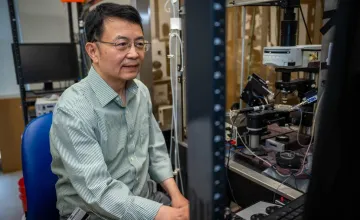
A study by researchers at Duke University School of Medicine found that supplying healthy mitochrondra to damaged nerve cells can signifantly help millions managing pain from diabetic neuropathy and chemotherapy.
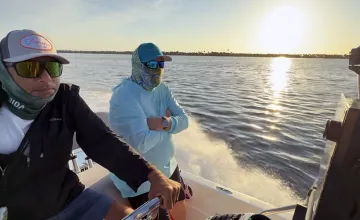
Researchers from the USF College of Marine Science are studying soft tissue samples from barnacles, oysters, and fish to better understand the state of contamination and its origins in Tampa Bay, Florida's largest estuary.
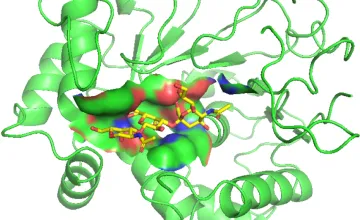
The advancement lays the groundwork for creating a library of sugar-recognizing proteins that may help detect and treat diverse illnesses.
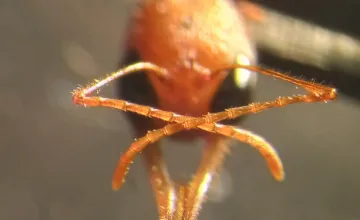
The olfactory senses of ants help them hunt, detect outsiders, and know their role within a colony. In a new study, researchers have discovered how ants can switch one gene on out of hundreds to ensure their survival.
Explore More: University Research
You can filter stories by the university.
Alexandre Vieira, director of clinical research and of student research at the University of Pittsburgh’s School of Dental Medicine, is studying how dental formations caused by genetic mutations, like cleft palate, could be early indicators of other diseases.
Two new Penn State projects are aiming to educate the public about opioids while utilizing partnerships with law enforcement and community organizations to identify and disrupt networks of opioid distribution.
The Pennsylvania State University | AAU Universities Battle the Opioid Crisis | Serving Local Communities
For female soldiers, the risk of stress fractures to their lower extremities is 2 to 10 times greater than for their male counterparts. A BU doctoral candidate wants to know why.
A Tulane University geologist is among a team of scientists studying an ancient Canadian ice sheet to determine if its collapse could be a preview of future climate change.
University of Maryland (UMD) spinout Otomagnetics announced the development of a magnetic drug delivery system to enable prevention of a major side effect of chemotherapy in children – hearing loss.