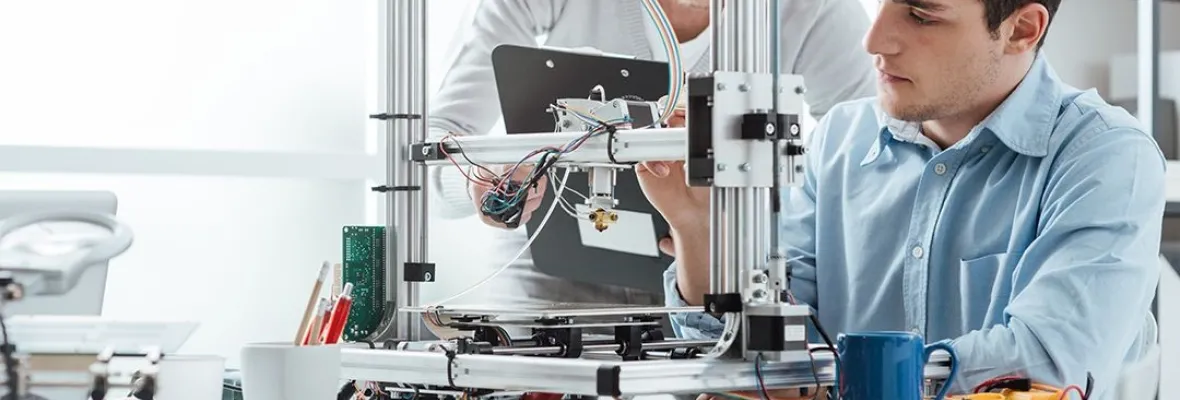
AAU universities conduct a majority of the federally funded university research that contributes to our economic competitiveness, health and well-being, and national security. AAU universities are growing our economy through invention and innovation while preparing the next generation of scientists and engineers for global leadership. By moving research into the marketplace AAU universities are helping to create jobs, and provide society with new medicines and technologies.
A study by researchers at Duke University School of Medicine found that supplying healthy mitochrondra to damaged nerve cells can signifantly help millions managing pain from diabetic neuropathy and chemotherapy.

Researchers from the USF College of Marine Science are studying soft tissue samples from barnacles, oysters, and fish to better understand the state of contamination and its origins in Tampa Bay, Florida's largest estuary.
The advancement lays the groundwork for creating a library of sugar-recognizing proteins that may help detect and treat diverse illnesses.
The olfactory senses of ants help them hunt, detect outsiders, and know their role within a colony. In a new study, researchers have discovered how ants can switch one gene on out of hundreds to ensure their survival.
Explore More: University Research
You can filter stories by the university.
Sexual assault victims who suffer from post-traumatic stress disorder (PTSD) can learn to decrease negative thoughts and enhance self-worth by a combination of meditation and aerobic exercise, according to a new Rutgers University-New Brunswick study.
Using new technologies to track how vision guides foot placement, researchers at The University of Texas at Austin come one step closer to determining what is going on in the brain while we walk.
Researchers have developed a hand-held, user-friendly version of the ophthalmoscope to detect eye disease caused by diabetes.
A genome-wide analysis of more than 5,000 opioid users has revealed a gene variant associated with opioid dependence in European-Americans.
A pilot program at USC issues lung transplant patients a Bluetooth-enabled electronic tablet that allows them to log a variety of information on a daily basis, including medications they’ve taken, their weight, blood pressure, blood glucose and lung function tests.