
AAU universities conduct a majority of the federally funded university research that contributes to our economic competitiveness, health and well-being, and national security. AAU universities are growing our economy through invention and innovation while preparing the next generation of scientists and engineers for global leadership. By moving research into the marketplace AAU universities are helping to create jobs, and provide society with new medicines and technologies.
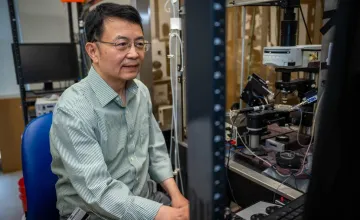
A study by researchers at Duke University School of Medicine found that supplying healthy mitochrondra to damaged nerve cells can signifantly help millions managing pain from diabetic neuropathy and chemotherapy.

Researchers from the USF College of Marine Science are studying soft tissue samples from barnacles, oysters, and fish to better understand the state of contamination and its origins in Tampa Bay, Florida's largest estuary.
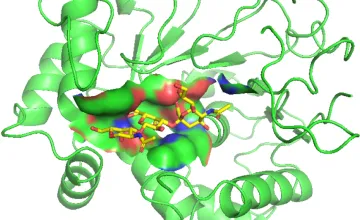
The advancement lays the groundwork for creating a library of sugar-recognizing proteins that may help detect and treat diverse illnesses.

The olfactory senses of ants help them hunt, detect outsiders, and know their role within a colony. In a new study, researchers have discovered how ants can switch one gene on out of hundreds to ensure their survival.
Explore More: University Research
You can filter stories by the university.
People who develop abnormally frequent cases of a skin cancer known as basal cell carcinoma appear to be at significantly increased risk for developing of other cancers, according to a preliminary study by researchers at the Stanford University School of Medicine.
A study of 3,877 randomly selected patients found a significant link between three degenerative eye diseases – age-related macular degeneration, diabetic retinopathy and glaucoma – and Alzheimer’s disease.
Men who most frequently wore boxers had significantly higher sperm concentrations and total sperm counts when compared with men who did not usually wear boxers, according to new research led by Harvard T.H. Chan School of Public Health.
Older adults often rule themselves out as organ donors because they assume their age and health status are deal-breakers, a new study shows.
Patients in their late teens and 20s had the highest risk of persistent use if they received opioids around the time of their extraction, a new study finds.