
AAU universities conduct a majority of the federally funded university research that contributes to our economic competitiveness, health and well-being, and national security. AAU universities are growing our economy through invention and innovation while preparing the next generation of scientists and engineers for global leadership. By moving research into the marketplace AAU universities are helping to create jobs, and provide society with new medicines and technologies.
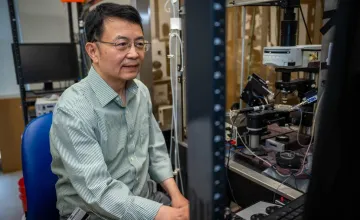
A study by researchers at Duke University School of Medicine found that supplying healthy mitochrondra to damaged nerve cells can signifantly help millions managing pain from diabetic neuropathy and chemotherapy.

Researchers from the USF College of Marine Science are studying soft tissue samples from barnacles, oysters, and fish to better understand the state of contamination and its origins in Tampa Bay, Florida's largest estuary.
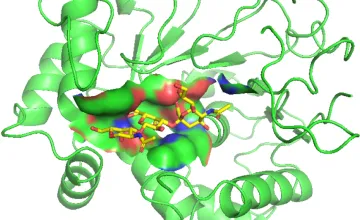
The advancement lays the groundwork for creating a library of sugar-recognizing proteins that may help detect and treat diverse illnesses.

The olfactory senses of ants help them hunt, detect outsiders, and know their role within a colony. In a new study, researchers have discovered how ants can switch one gene on out of hundreds to ensure their survival.
Explore More: University Research
You can filter stories by the university.
Yale researchers have developed a new way to efficiently engineer immune cells, an advance which enhances the ability to fend off cancer and other diseases.
A new ultrasensitive diagnostic device could allow doctors to detect cancer quickly from a droplet of blood or plasma, leading to timelier interventions and better outcomes for patients.
Georgia Tech researchers could improve the control systems of future snake-like robots based on their observations
of snakes slithering across the desert sand at night.
A new study looking at fast food’s evolution over the last 30 years shows that portion sizes, calories, and sodium levels have steadily crept up.
The number of opioid-related deaths in Michigan has hit an all-time high, requiring the resources of the state’s three major research universities and one of its largest health systems to tackle the problem.