
AAU universities conduct a majority of the federally funded university research that contributes to our economic competitiveness, health and well-being, and national security. AAU universities are growing our economy through invention and innovation while preparing the next generation of scientists and engineers for global leadership. By moving research into the marketplace AAU universities are helping to create jobs, and provide society with new medicines and technologies.
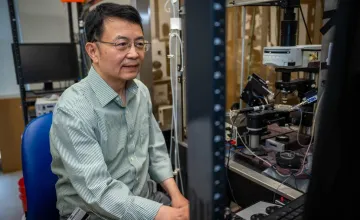
A study by researchers at Duke University School of Medicine found that supplying healthy mitochrondra to damaged nerve cells can signifantly help millions managing pain from diabetic neuropathy and chemotherapy.

Researchers from the USF College of Marine Science are studying soft tissue samples from barnacles, oysters, and fish to better understand the state of contamination and its origins in Tampa Bay, Florida's largest estuary.
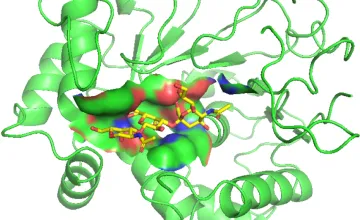
The advancement lays the groundwork for creating a library of sugar-recognizing proteins that may help detect and treat diverse illnesses.
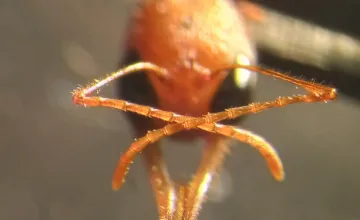
The olfactory senses of ants help them hunt, detect outsiders, and know their role within a colony. In a new study, researchers have discovered how ants can switch one gene on out of hundreds to ensure their survival.
Explore More: University Research
You can filter stories by the university.
The University of Washington and U.S. Geological Survey have developed an approach to map huckleberry distribution, therefore tracking Grizzly Bears across Glacier National Park that uses publicly available satellite imagery.
A USC study finds that patients who participated in a 16-week exercise program had a lower risk of cardiovascular disease than their sedentary counterparts.
University of California, Davis researchers fear two isolated mountain lion populations in Southern California’s Santa Ana and Santa Monica Mountains are at risk of local extinction, perhaps as soon as within 50 years
Research from the Washington University in St. Louis suggests pregnant women who use cannabis may increase the risk their child will develop psychosis
A team of researchers led by Stony Brook University have identified a specific gene involved in the cancer stem cell (CSC) population process of triple-negative breast cancer. By blocking this gene’s action, tumor response to chemotherapy is improved.