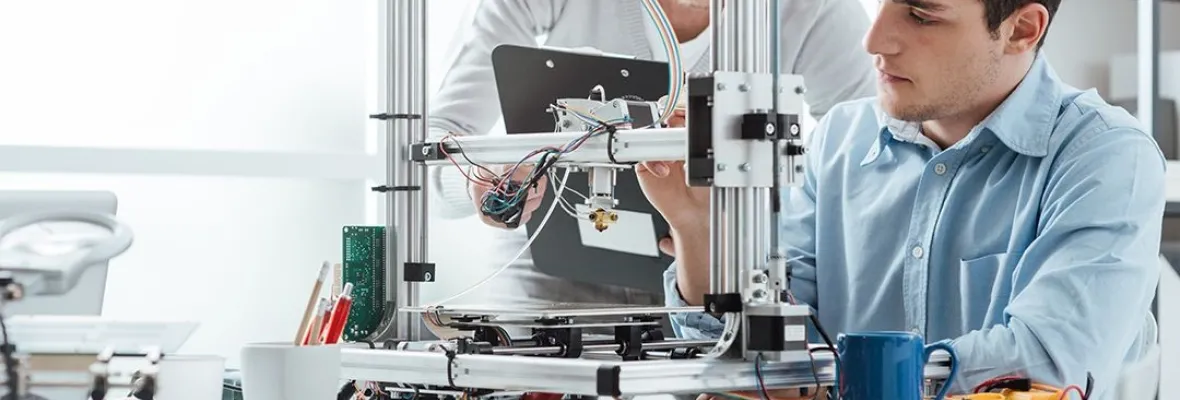
AAU universities conduct a majority of the federally funded university research that contributes to our economic competitiveness, health and well-being, and national security. AAU universities are growing our economy through invention and innovation while preparing the next generation of scientists and engineers for global leadership. By moving research into the marketplace AAU universities are helping to create jobs, and provide society with new medicines and technologies.
A study by researchers at Duke University School of Medicine found that supplying healthy mitochrondra to damaged nerve cells can signifantly help millions managing pain from diabetic neuropathy and chemotherapy.

Researchers from the USF College of Marine Science are studying soft tissue samples from barnacles, oysters, and fish to better understand the state of contamination and its origins in Tampa Bay, Florida's largest estuary.
The advancement lays the groundwork for creating a library of sugar-recognizing proteins that may help detect and treat diverse illnesses.
The olfactory senses of ants help them hunt, detect outsiders, and know their role within a colony. In a new study, researchers have discovered how ants can switch one gene on out of hundreds to ensure their survival.
Explore More: University Research
You can filter stories by the university.
A USC study showed that early morning exposure to natural light improved the mood of residents, reducing depression and psychoactive symptoms, which are common side effects of the neurodegenerative diseases like Alzheimers.
The energy produced over the lifetime of typical rooftop solar panels more than makes up for the energy it takes to make, mount and then eventually recycle them. But adding a home battery usually lowers those dividends, according to new research from Stanford University.
A Michigan State University researcher is examining the antimatter and questions surrounding its existence.
A new study by researchers at Michigan State University and Portland State University has found that when there’s an imbalance in support among nurses at work, tempers flare and risk of injuries can go up.
Ultra-secure online communications, completely indecipherable if intercepted, are a step closer with the help of a recently published discovery by University of Oregon physicist Ben Alemán.