
AAU universities conduct a majority of the federally funded university research that contributes to our economic competitiveness, health and well-being, and national security. AAU universities are growing our economy through invention and innovation while preparing the next generation of scientists and engineers for global leadership. By moving research into the marketplace AAU universities are helping to create jobs, and provide society with new medicines and technologies.
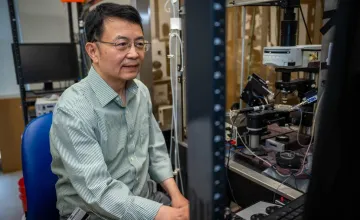
A study by researchers at Duke University School of Medicine found that supplying healthy mitochrondra to damaged nerve cells can signifantly help millions managing pain from diabetic neuropathy and chemotherapy.

Researchers from the USF College of Marine Science are studying soft tissue samples from barnacles, oysters, and fish to better understand the state of contamination and its origins in Tampa Bay, Florida's largest estuary.
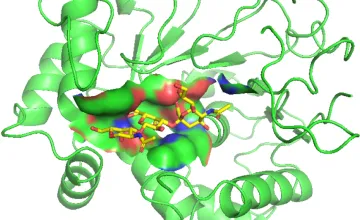
The advancement lays the groundwork for creating a library of sugar-recognizing proteins that may help detect and treat diverse illnesses.
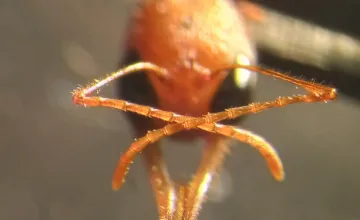
The olfactory senses of ants help them hunt, detect outsiders, and know their role within a colony. In a new study, researchers have discovered how ants can switch one gene on out of hundreds to ensure their survival.
Explore More: University Research
You can filter stories by the university.
New study from UBuffalo shows that AI investment plus a connected, skilled workforce is a winning combination.
A new University of Kansas study reveals parents seeking health care information for their children trust AI more than health care professionals when the author is unknown, and parents rate AI generated text as credible, moral and trustworthy.
Hypertension and amyloid plaques can separately cause dementia. Having both increases a person’s odds of developing cognitive decline, a new study finds
A first-of-its-kind study has measured the toxicity of several “forever chemicals,” when mixed together in the environment and in the human body.
Research from the University of California, Irvine has revealed how disruption of the circadian clock, the body’s internal, 24-hour biological pacemaker, may accelerate the progression of colorectal cancer by affecting the gut microbiome and intestinal barrier function.