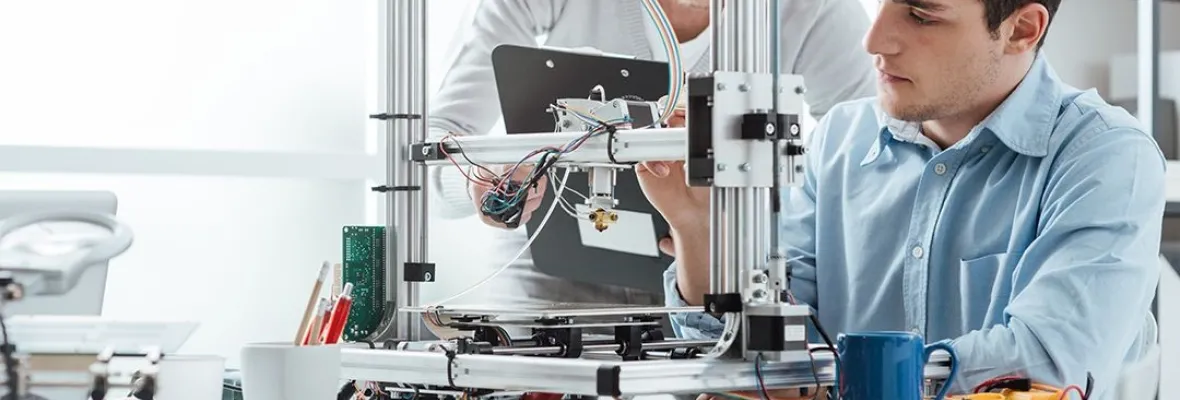
AAU universities conduct a majority of the federally funded university research that contributes to our economic competitiveness, health and well-being, and national security. AAU universities are growing our economy through invention and innovation while preparing the next generation of scientists and engineers for global leadership. By moving research into the marketplace AAU universities are helping to create jobs, and provide society with new medicines and technologies.
A study by researchers at Duke University School of Medicine found that supplying healthy mitochrondra to damaged nerve cells can signifantly help millions managing pain from diabetic neuropathy and chemotherapy.

Researchers from the USF College of Marine Science are studying soft tissue samples from barnacles, oysters, and fish to better understand the state of contamination and its origins in Tampa Bay, Florida's largest estuary.
The advancement lays the groundwork for creating a library of sugar-recognizing proteins that may help detect and treat diverse illnesses.
The olfactory senses of ants help them hunt, detect outsiders, and know their role within a colony. In a new study, researchers have discovered how ants can switch one gene on out of hundreds to ensure their survival.
Explore More: University Research
You can filter stories by the university.
New research co-led by USC scientists suggests hundreds of thousands of young adults took up vaping between 2017 and 2018.
Working with a clinical radiologist, USC computer scientists combined visual effects techniques and medical imaging to create precise model of the human hand in motion.
A University of Oregon researcher has found that as wildfire managers face increasing challenges, the most effective measures will be those that take a more collaborative approach to embracing and navigating the growing complexities.
A multidisciplinary research team at the University of Pittsburgh is developing a testing platform, HIV Detective, to determine in one minute whether patients have HIV, compared to the 24 hours it takes for conventional testing.
Stanford University researchers find that in human cell cultures, countering a defect that appears to be nearly universal among patients with Parkinson’s disease prevents death in the cells whose loss causes the disease.