
AAU universities conduct a majority of the federally funded university research that contributes to our economic competitiveness, health and well-being, and national security. AAU universities are growing our economy through invention and innovation while preparing the next generation of scientists and engineers for global leadership. By moving research into the marketplace AAU universities are helping to create jobs, and provide society with new medicines and technologies.

A study by researchers at Duke University School of Medicine found that supplying healthy mitochrondra to damaged nerve cells can signifantly help millions managing pain from diabetic neuropathy and chemotherapy.

Researchers from the USF College of Marine Science are studying soft tissue samples from barnacles, oysters, and fish to better understand the state of contamination and its origins in Tampa Bay, Florida's largest estuary.
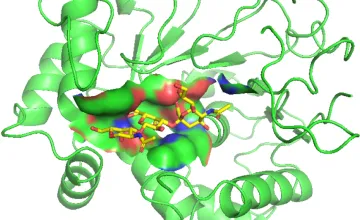
The advancement lays the groundwork for creating a library of sugar-recognizing proteins that may help detect and treat diverse illnesses.

The olfactory senses of ants help them hunt, detect outsiders, and know their role within a colony. In a new study, researchers have discovered how ants can switch one gene on out of hundreds to ensure their survival.
Explore More: University Research
You can filter stories by the university.
A Stanford-led pilot study has provided early evidence that an antibody is a safe, effective and rapid food allergy treatment.
Stanford biologists are using rare poison frogs that nurse their young as a way to help answer a fundamental question: Is there more than one way to build a maternal brain?
A Rutgers University - New Brunswick study finds that people in treatment for opioid addiction are more likely to relapse when they become more tolerant of risks.
MDMA can instill in users an unguarded comfort among even the most unfamiliar of faces but is also prone to abuse. Stanford researchers have driven a wedge between these two aspects of the drug.
Rutgers researchers spoke to women hospitalized during high-risk pregnancies and found that trying to manage their emotions by themselves added an additional burden to an already stressful experience.