
AAU universities conduct a majority of the federally funded university research that contributes to our economic competitiveness, health and well-being, and national security. AAU universities are growing our economy through invention and innovation while preparing the next generation of scientists and engineers for global leadership. By moving research into the marketplace AAU universities are helping to create jobs, and provide society with new medicines and technologies.
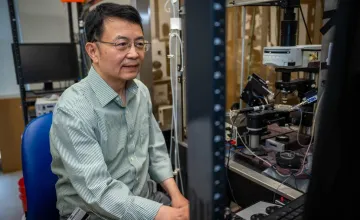
A study by researchers at Duke University School of Medicine found that supplying healthy mitochrondra to damaged nerve cells can signifantly help millions managing pain from diabetic neuropathy and chemotherapy.

Researchers from the USF College of Marine Science are studying soft tissue samples from barnacles, oysters, and fish to better understand the state of contamination and its origins in Tampa Bay, Florida's largest estuary.
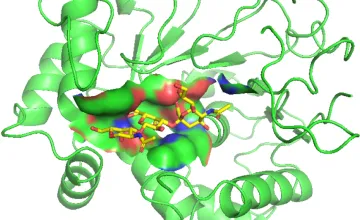
The advancement lays the groundwork for creating a library of sugar-recognizing proteins that may help detect and treat diverse illnesses.
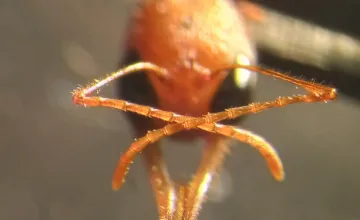
The olfactory senses of ants help them hunt, detect outsiders, and know their role within a colony. In a new study, researchers have discovered how ants can switch one gene on out of hundreds to ensure their survival.
Explore More: University Research
You can filter stories by the university.
University of California San Diego School of Medicine researchers have identified the molecular mechanism activated by the presence of tetrahydrocannabinol (THC) in the bloodstream that accelerates cancer growth in patients with human papillomavirus-positive head and neck squamous cell carcinoma.
Caregivers face increased social isolation and emotional burnout, according to a Rutgers study
A USC analysis of tens of thousands of cannabis-related posts on Twitter found that social bots regularly perpetuated bogus health claims on the platform, illustrating how false statements may drown out solid science on social media.
University of Southern California researchers compared feathers from 21 bird species to learn from their biological architecture and potentially apply that knowledge to modern technology.
Researchers at University of Oregon are moving closer to a new approach for improving spinal fusion procedures and repairing broken or defective bones that avoids an over-production of bone that commonly occurs in current treatments.