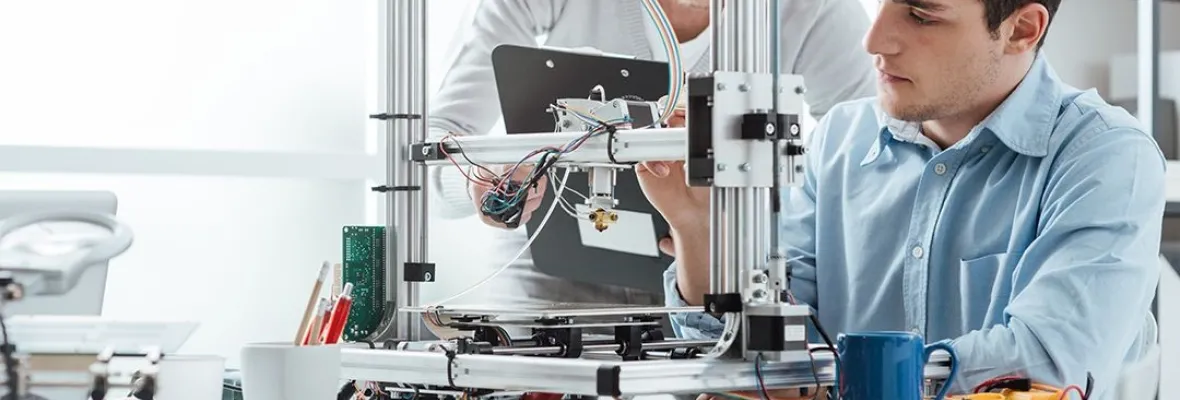
AAU universities conduct a majority of the federally funded university research that contributes to our economic competitiveness, health and well-being, and national security. AAU universities are growing our economy through invention and innovation while preparing the next generation of scientists and engineers for global leadership. By moving research into the marketplace AAU universities are helping to create jobs, and provide society with new medicines and technologies.
A study by researchers at Duke University School of Medicine found that supplying healthy mitochrondra to damaged nerve cells can signifantly help millions managing pain from diabetic neuropathy and chemotherapy.

Researchers from the USF College of Marine Science are studying soft tissue samples from barnacles, oysters, and fish to better understand the state of contamination and its origins in Tampa Bay, Florida's largest estuary.
The advancement lays the groundwork for creating a library of sugar-recognizing proteins that may help detect and treat diverse illnesses.
The olfactory senses of ants help them hunt, detect outsiders, and know their role within a colony. In a new study, researchers have discovered how ants can switch one gene on out of hundreds to ensure their survival.
Explore More: University Research
You can filter stories by the university.
University at Buffalo researcher Elizabeth Bowen, PhD, has pioneered an exploration of how climate change may impact individuals recovering from addiction, emphasizing how social, economic, and environmental disruptions could challenge recovery resources, particularly for marginalized groups. Bowen's research, grounded in the theory of "recovery capital," underscores the urgency of addressing climate-related hardships to support the stability and health of those in recovery, and she advocates for expanded support and inclusion in recovery research and services.
NYU researchers found that our brains can detect basic sentence structure in as little as 130 milliseconds, similar to how we quickly recognize visual scenes. This rapid processing ability allows the brain to grasp sentence structure almost instantaneously, even correcting minor errors, which may enhance our understanding of language comprehension in digital media contexts.
University of Kansas physicist Daniel Tapia Takaki and his team, working with CERN’s ALICE experiment, discovered evidence of gluonic quantum fluctuations within heavy nuclei, suggesting the presence of "gluonic hotspots" at the subnucleon level. This breakthrough, published in Physical Review Letters, provides new insights into the behavior of gluons, which are essential in forming visible matter, and marks a significant step toward understanding gluon saturation, a predicted state in quantum chromodynamics.
Researchers from Yale’s Department of Psychiatry have identified over 100 genes linked to anxiety by analyzing genetic data from over 1 million participants worldwide. This large-scale study, published in Nature Genetics, sheds light on how genetic predispositions contribute to anxiety disorders and their comorbidity with other mental and physical conditions, offering new insights for potential therapeutic developments.
Scientists at NYU have developed a 3D-printed model, called the 3MIC, to replicate tumor environments that trigger cancer cell migration and metastasis. This model allows real-time visualization of cancer spread and could improve early diagnosis and treatment of metastasis-prone tumors.