
AAU universities conduct a majority of the federally funded university research that contributes to our economic competitiveness, health and well-being, and national security. AAU universities are growing our economy through invention and innovation while preparing the next generation of scientists and engineers for global leadership. By moving research into the marketplace AAU universities are helping to create jobs, and provide society with new medicines and technologies.
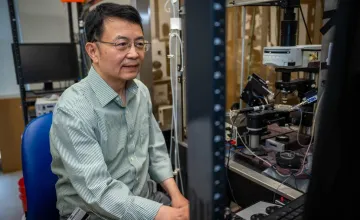
A study by researchers at Duke University School of Medicine found that supplying healthy mitochrondra to damaged nerve cells can signifantly help millions managing pain from diabetic neuropathy and chemotherapy.

Researchers from the USF College of Marine Science are studying soft tissue samples from barnacles, oysters, and fish to better understand the state of contamination and its origins in Tampa Bay, Florida's largest estuary.
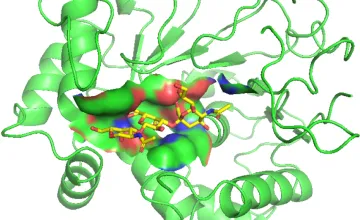
The advancement lays the groundwork for creating a library of sugar-recognizing proteins that may help detect and treat diverse illnesses.

The olfactory senses of ants help them hunt, detect outsiders, and know their role within a colony. In a new study, researchers have discovered how ants can switch one gene on out of hundreds to ensure their survival.
Explore More: University Research
You can filter stories by the university.
Researchers from Yale’s Department of Psychiatry have identified over 100 genes linked to anxiety by analyzing genetic data from over 1 million participants worldwide. This large-scale study, published in Nature Genetics, sheds light on how genetic predispositions contribute to anxiety disorders and their comorbidity with other mental and physical conditions, offering new insights for potential therapeutic developments.
A University of Rochester researcher highlights both the potential and limitations of AI-generated deepfake videos, noting that while the technology is advancing, generating realistic video remains challenging due to the complexity of synchronizing visuals and audio.
Researchers at Stony Brook University's Renaissance School of Medicine used neuromelanin-sensitive MRI to study young adults, finding elevated neuromelanin levels in the midbrain of those with a history of substance use, with a notably stronger association in young women. This study highlights the potential of neuromelanin-sensitive MRI to reveal early changes in the dopamine system due to substance use, providing insights particularly valuable for younger populations.
Researchers at Tufts University School of Medicine and the Graduate School of Biomedical Sciences have identified a small molecule inhibitor that corrects the molecular cause of CTNNB1 syndrome, a rare genetic disorder affecting motor and cognitive function. In mouse and human cell models, this molecule normalized beta-catenin levels, improving muscle strength and cognitive abilities, offering potential for a therapeutic treatment to reverse symptoms in affected children.
A University at Buffalo research program reveals that some of the so-called “gold standards” of MS monitoring are inadequate for patients with severe disease and that novel methods of assessing these people can be more effective.