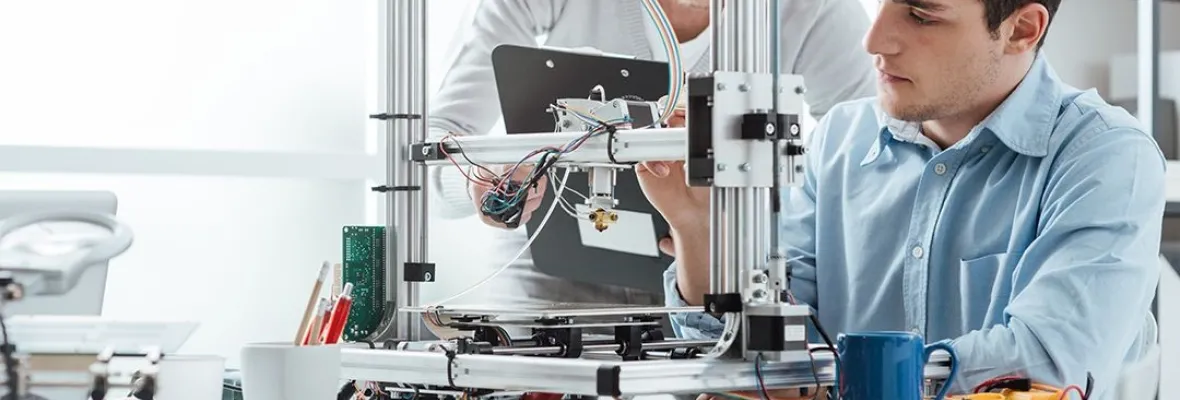
AAU universities conduct a majority of the federally funded university research that contributes to our economic competitiveness, health and well-being, and national security. AAU universities are growing our economy through invention and innovation while preparing the next generation of scientists and engineers for global leadership. By moving research into the marketplace AAU universities are helping to create jobs, and provide society with new medicines and technologies.
A study by researchers at Duke University School of Medicine found that supplying healthy mitochrondra to damaged nerve cells can signifantly help millions managing pain from diabetic neuropathy and chemotherapy.

Researchers from the USF College of Marine Science are studying soft tissue samples from barnacles, oysters, and fish to better understand the state of contamination and its origins in Tampa Bay, Florida's largest estuary.
The advancement lays the groundwork for creating a library of sugar-recognizing proteins that may help detect and treat diverse illnesses.
The olfactory senses of ants help them hunt, detect outsiders, and know their role within a colony. In a new study, researchers have discovered how ants can switch one gene on out of hundreds to ensure their survival.
Explore More: University Research
You can filter stories by the university.
In a new study, USC Stem Cell scientists describe how adult flies can regenerate sensory hearing cells in their antennae, and how studying flies can provide a new way to understand and develop treatments for patients who live with hearing and balance disorders.
A recent study conducted by Tulane University researchers found that social workers are as susceptible to job burnout as anyone on the front lines of the COVID-19 crisis.
As a high school student, Terry Himes dreamed of exploring space. Today, the Spartan who graduated in 1975 from Michigan State University’s College of Engineering is living his dream.
Automated process helps test city sewage for SARS-CoV-2, allowing researchers to forecast the region’s caseload one to two weeks ahead of clinical diagnostic reports.
Using high-resolution imaging and 3D computer modeling, a University of Oregon research team has found that the branching arms of neurons weave through space in a way that balances their need to connect to other neurons with the costs of doing so.