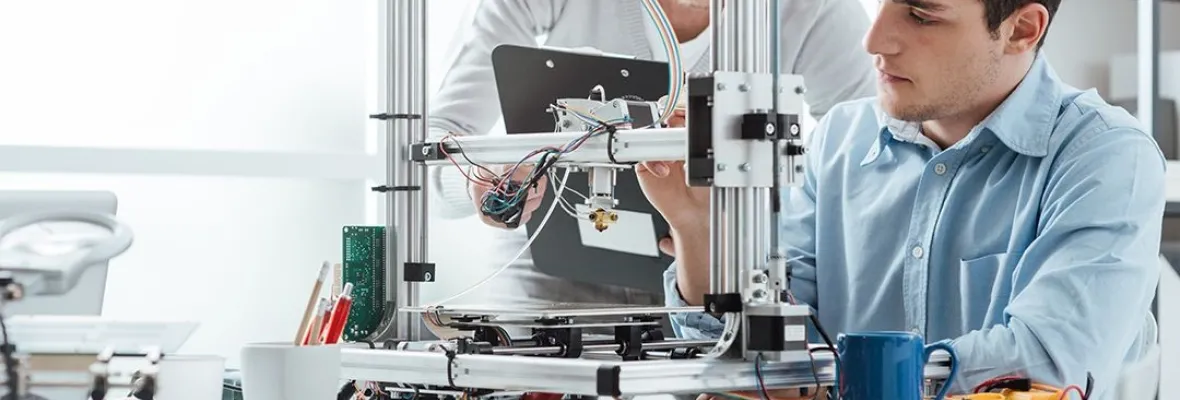
AAU universities conduct a majority of the federally funded university research that contributes to our economic competitiveness, health and well-being, and national security. AAU universities are growing our economy through invention and innovation while preparing the next generation of scientists and engineers for global leadership. By moving research into the marketplace AAU universities are helping to create jobs, and provide society with new medicines and technologies.
A study by researchers at Duke University School of Medicine found that supplying healthy mitochrondra to damaged nerve cells can signifantly help millions managing pain from diabetic neuropathy and chemotherapy.

Researchers from the USF College of Marine Science are studying soft tissue samples from barnacles, oysters, and fish to better understand the state of contamination and its origins in Tampa Bay, Florida's largest estuary.
The advancement lays the groundwork for creating a library of sugar-recognizing proteins that may help detect and treat diverse illnesses.
The olfactory senses of ants help them hunt, detect outsiders, and know their role within a colony. In a new study, researchers have discovered how ants can switch one gene on out of hundreds to ensure their survival.
Explore More: University Research
You can filter stories by the university.
A relatively simple device in your smartphone that counts steps, among other things, also has the capacity to be used as a listening device, according to researchers at the University of Illinois Urbana-Champaign.
USC researchers are looking at the connection between gut microbiome dysregulation and Parkinson’s disease to better understand how exercise could improve outcomes.
A team from the UO College of Education looked at the interplay between the way parents feed their children and emotional eating by parents and children, as well as the influence the parent’s gender has on that association
University of Florida researchers are using artificial intelligence to help citrus growers better forecast their seasonal production. So far, they’ve found in a preliminary study that their technology predicts yields with 98% accuracy.
Engineers created a new type of battery that weaves two promising battery sub-fields into a single battery. The battery uses both a solid state electrolyte and an all-silicon anode, making it a silicon all-solid-state battery. The initial rounds of tests show that the new battery is safe, long lasting, and energy dense. It holds promise for a wide range of applications from grid storage to electric vehicles.