
AAU universities conduct a majority of the federally funded university research that contributes to our economic competitiveness, health and well-being, and national security. AAU universities are growing our economy through invention and innovation while preparing the next generation of scientists and engineers for global leadership. By moving research into the marketplace AAU universities are helping to create jobs, and provide society with new medicines and technologies.
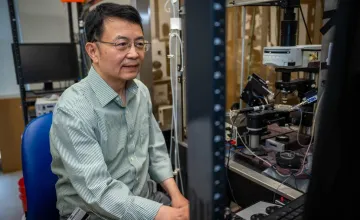
A study by researchers at Duke University School of Medicine found that supplying healthy mitochrondra to damaged nerve cells can signifantly help millions managing pain from diabetic neuropathy and chemotherapy.

Researchers from the USF College of Marine Science are studying soft tissue samples from barnacles, oysters, and fish to better understand the state of contamination and its origins in Tampa Bay, Florida's largest estuary.
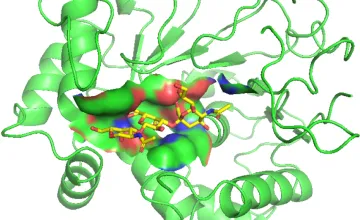
The advancement lays the groundwork for creating a library of sugar-recognizing proteins that may help detect and treat diverse illnesses.
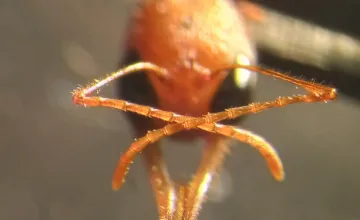
The olfactory senses of ants help them hunt, detect outsiders, and know their role within a colony. In a new study, researchers have discovered how ants can switch one gene on out of hundreds to ensure their survival.
Explore More: University Research
You can filter stories by the university.
Estimates compiled by experts from UC Irvine and Columbia University show that global carbon dioxide emissions as of the end of September 2021 were just 0.9 percent lower than emissions at the same time in 2019.
Although natural disasters can cause horrific damage to homes and infrastructure, they can bring married couples closer together, at least temporarily, according to a first-of-its-kind study from researchers at The University of Texas at Austin that looked at couples in the Houston area before and after Hurricane Harvey.
First responders had twice the incidence of COVID-19 infection as frontline health care workers – 13.2% vs. 6.7% – with the incidence in other essential workers similar to that of health care workers.
In the largest ever study to examine how genetic factors affect a person’s food choices and consumption, a Boston-based team of researchers have identified more than two dozen regions of genetic sequences that may affect individuals’ food intake.
Amid a global effort to transition to more climate-friendly biofuel options, a UO chemistry professor is helping develop carbon-free fermentation technology.