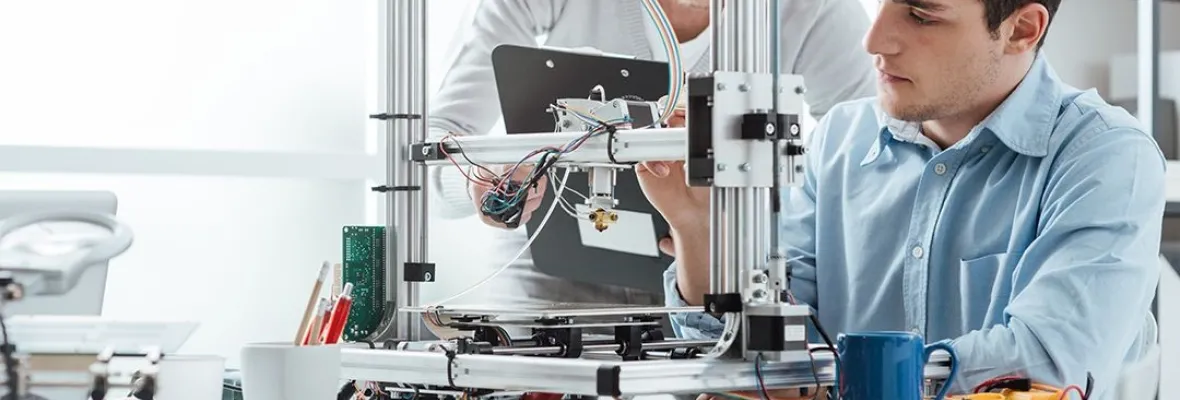
AAU universities conduct a majority of the federally funded university research that contributes to our economic competitiveness, health and well-being, and national security. AAU universities are growing our economy through invention and innovation while preparing the next generation of scientists and engineers for global leadership. By moving research into the marketplace AAU universities are helping to create jobs, and provide society with new medicines and technologies.
A study by researchers at Duke University School of Medicine found that supplying healthy mitochrondra to damaged nerve cells can signifantly help millions managing pain from diabetic neuropathy and chemotherapy.

Researchers from the USF College of Marine Science are studying soft tissue samples from barnacles, oysters, and fish to better understand the state of contamination and its origins in Tampa Bay, Florida's largest estuary.
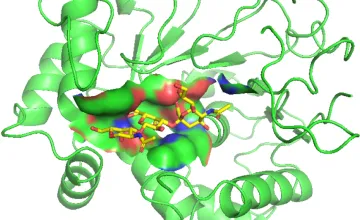
The advancement lays the groundwork for creating a library of sugar-recognizing proteins that may help detect and treat diverse illnesses.
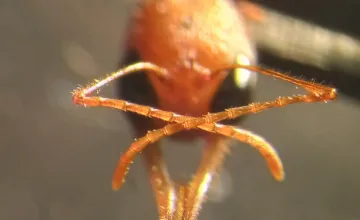
The olfactory senses of ants help them hunt, detect outsiders, and know their role within a colony. In a new study, researchers have discovered how ants can switch one gene on out of hundreds to ensure their survival.
Explore More: University Research
You can filter stories by the university.
A University at Buffalo researcher is among the co-authors on a recent paper that reveals how loneliness during the COVID-19 pandemic has affected American women over the age of 70.
Confronting COVID-19 | University at Buffalo - The State University of New York | University Research
Researchers at the University of Washington have developed a new blood-clotting test that uses only a single drop of blood and a smartphone vibration motor and camera. The system includes a plastic attachment that holds a tiny cup beneath the phone’s camera.
In a new study, researchers in the lab of UO biologist Matt Barber look at a family of proteins found on the surface of epithelial cells. Epithelial cells line many surfaces in the body that are important for microbial interactions, like the inside of the mouth and nose as well as the digestive and reproductive tracts.
A gadget made of plastic and copper wire is a technological breakthrough with the potential to revolutionize brain scans
Researchers from the University at Buffalo are leading a project funded by the U.S. Department of Housing and Urban Development (HUD) that aims to shed light on the merits of mycelium-based soil remediation, while educating the public about the potential hazards of lead-contaminated soil.