
AAU universities conduct a majority of the federally funded university research that contributes to our economic competitiveness, health and well-being, and national security. AAU universities are growing our economy through invention and innovation while preparing the next generation of scientists and engineers for global leadership. By moving research into the marketplace AAU universities are helping to create jobs, and provide society with new medicines and technologies.
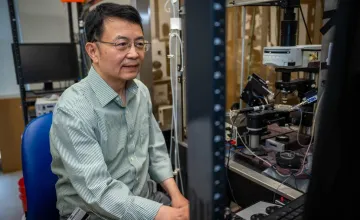
A study by researchers at Duke University School of Medicine found that supplying healthy mitochrondra to damaged nerve cells can signifantly help millions managing pain from diabetic neuropathy and chemotherapy.

Researchers from the USF College of Marine Science are studying soft tissue samples from barnacles, oysters, and fish to better understand the state of contamination and its origins in Tampa Bay, Florida's largest estuary.
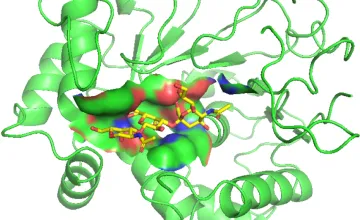
The advancement lays the groundwork for creating a library of sugar-recognizing proteins that may help detect and treat diverse illnesses.
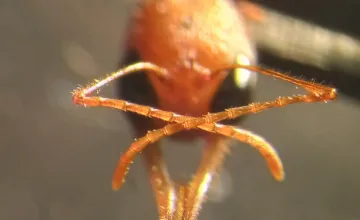
The olfactory senses of ants help them hunt, detect outsiders, and know their role within a colony. In a new study, researchers have discovered how ants can switch one gene on out of hundreds to ensure their survival.
Explore More: University Research
You can filter stories by the university.
New findings by Rutgers researchers show activities of specialized brain cells differ based on their location
An analysis of Antarctica’s Pope, Smith and Kohler glaciers by researchers at the University of California, Irvine, NASA’s Jet Propulsion Laboratory, the University of Houston and other institutions has revealed an aggressive pattern of retreat connected to high melt rates of floating ice in the Amundsen Sea Embayment sector of West Antarctica.
University of California, Irvine revealed new details about a key enzyme that makes DNA sequencing possible. The finding is a leap forward into the era of personalized medicine when doctors will be able to design treatments based on the genomes of individual patients.
Examining the spines of Neandertals, an extinct human relative, may explain back-related ailments, such as lower back pain, experienced by humans today, a team of anthropologists has concluded.
Results from a new study published today in Child Development provide the first longitudinal evidence about the trajectories of sensory reactivity patterns during early childhood among a large community sample with diverse developmental outcomes.
The University of North Carolina at Chapel Hill | University of Southern California | University Research