
AAU universities conduct a majority of the federally funded university research that contributes to our economic competitiveness, health and well-being, and national security. AAU universities are growing our economy through invention and innovation while preparing the next generation of scientists and engineers for global leadership. By moving research into the marketplace AAU universities are helping to create jobs, and provide society with new medicines and technologies.
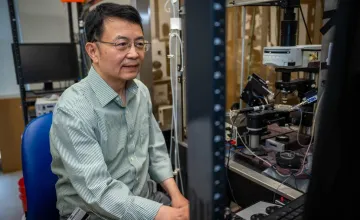
A study by researchers at Duke University School of Medicine found that supplying healthy mitochrondra to damaged nerve cells can signifantly help millions managing pain from diabetic neuropathy and chemotherapy.

Researchers from the USF College of Marine Science are studying soft tissue samples from barnacles, oysters, and fish to better understand the state of contamination and its origins in Tampa Bay, Florida's largest estuary.
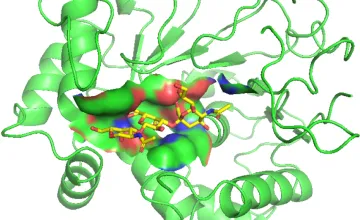
The advancement lays the groundwork for creating a library of sugar-recognizing proteins that may help detect and treat diverse illnesses.
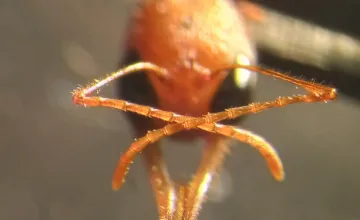
The olfactory senses of ants help them hunt, detect outsiders, and know their role within a colony. In a new study, researchers have discovered how ants can switch one gene on out of hundreds to ensure their survival.
Explore More: University Research
You can filter stories by the university.
A new grant will enable biologists at Rochester, Brown, and New York University to explore potential targets of treatments and therapeutics for neurodegenerative diseases.
A team led by scientists at the University of California, Irvine report measurements that can help fill gaps in permafrost emissions estimates that climate scientists have until now missed
California voters support keeping daylight saving time throughout the year, but USC researchers say that might not be a good idea.
A new study by a USC-led team offers further confirmation that abnormalities in the GDF15 gene are involved in the development of hyperemesis gravidarum, and may provide insight into prediction and diagnosis of the disease.
To answer the many puzzling questions about long COVID, researchers at Boston University’s School of Medicine and Boston Medical Center (BMC) are beginning to investigate “post-acute sequelae of SARS-CoV-2 (PASC),” the medical term used for the array of long COVID symptoms.