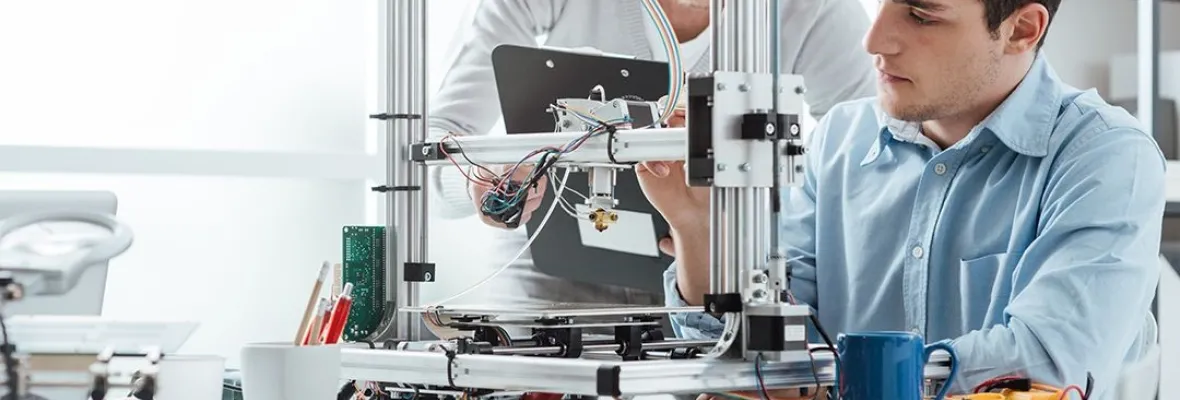
AAU universities conduct a majority of the federally funded university research that contributes to our economic competitiveness, health and well-being, and national security. AAU universities are growing our economy through invention and innovation while preparing the next generation of scientists and engineers for global leadership. By moving research into the marketplace AAU universities are helping to create jobs, and provide society with new medicines and technologies.
A study by researchers at Duke University School of Medicine found that supplying healthy mitochrondra to damaged nerve cells can signifantly help millions managing pain from diabetic neuropathy and chemotherapy.

Researchers from the USF College of Marine Science are studying soft tissue samples from barnacles, oysters, and fish to better understand the state of contamination and its origins in Tampa Bay, Florida's largest estuary.
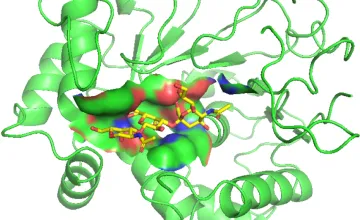
The advancement lays the groundwork for creating a library of sugar-recognizing proteins that may help detect and treat diverse illnesses.
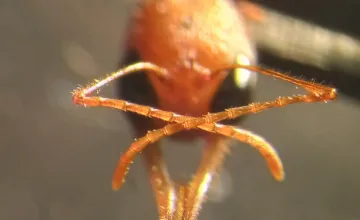
The olfactory senses of ants help them hunt, detect outsiders, and know their role within a colony. In a new study, researchers have discovered how ants can switch one gene on out of hundreds to ensure their survival.
Explore More: University Research
You can filter stories by the university.
New study shows American Sign Language is shaped by the people who use it to make communication easier
A USC study applies machine learning to identify significant behavioral triggers for escalating PTSD symptoms to develop preventive, just-in-time interventions.
Researchers from the Infant Brain Imaging Study (IBIS) Network, which includes the University of Washington, used MRI to demonstrate that in babies who later develop autism, the amygdala grows too rapidly in infancy.
McGill University | New York University | The University of North Carolina at Chapel Hill | University of Minnesota, Twin Cities | University of Pennsylvania | University of Washington | Washington University in St. Louis | Researching the Brain, Seeking Cures | University Research
In the future, you may have a squid to thank for your coffee staying hot on a cold day. Drawing inspiration from cephalopod skin, engineers at the University of California, Irvine invented an adaptive composite material that can insulate beverage cups, restaurant to-go bags, parcel boxes and even shipping containers.
Counseling may help keep people in treatment for opioid use disorder, according to Rutgers study