
AAU universities conduct a majority of the federally funded university research that contributes to our economic competitiveness, health and well-being, and national security. AAU universities are growing our economy through invention and innovation while preparing the next generation of scientists and engineers for global leadership. By moving research into the marketplace AAU universities are helping to create jobs, and provide society with new medicines and technologies.
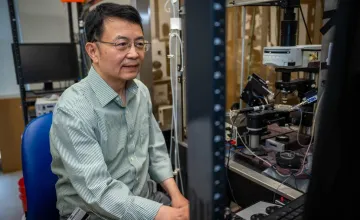
A study by researchers at Duke University School of Medicine found that supplying healthy mitochrondra to damaged nerve cells can signifantly help millions managing pain from diabetic neuropathy and chemotherapy.

Researchers from the USF College of Marine Science are studying soft tissue samples from barnacles, oysters, and fish to better understand the state of contamination and its origins in Tampa Bay, Florida's largest estuary.
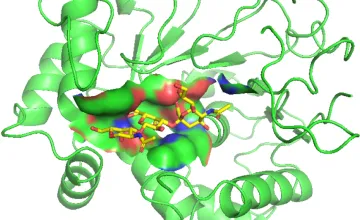
The advancement lays the groundwork for creating a library of sugar-recognizing proteins that may help detect and treat diverse illnesses.
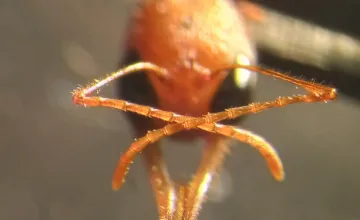
The olfactory senses of ants help them hunt, detect outsiders, and know their role within a colony. In a new study, researchers have discovered how ants can switch one gene on out of hundreds to ensure their survival.
Explore More: University Research
You can filter stories by the university.
Brad Wham, assistant research professor in CU Boulder’s Department of Civil, Environmental and Architectural Engineering, was a member of one of the
Researchers have found that Type I interferon, a protein that is important for the body’s defense against viruses, plays a critical role in suppressing inflammation in mice infected with the schistosome parasite.
Researchers have found that Mpox patients treated with tecovirimat, an antiviral drug widely used since last summer's outbreak, had similar outcomes regardless of HIV status.
People who lost loved ones were asked in a study to recall moments of grief. Their blood pressure escalated as a result.
University of Minnesota researchers recently led successful efforts to build the first genome for Pallas’s cat (Otocolobus manul), a small wild cat native to central Asia known for its grumpy facial expression.