
AAU universities conduct a majority of the federally funded university research that contributes to our economic competitiveness, health and well-being, and national security. AAU universities are growing our economy through invention and innovation while preparing the next generation of scientists and engineers for global leadership. By moving research into the marketplace AAU universities are helping to create jobs, and provide society with new medicines and technologies.

A study by researchers at Duke University School of Medicine found that supplying healthy mitochrondra to damaged nerve cells can signifantly help millions managing pain from diabetic neuropathy and chemotherapy.

Researchers from the USF College of Marine Science are studying soft tissue samples from barnacles, oysters, and fish to better understand the state of contamination and its origins in Tampa Bay, Florida's largest estuary.
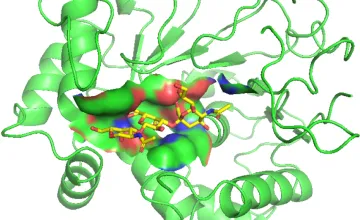
The advancement lays the groundwork for creating a library of sugar-recognizing proteins that may help detect and treat diverse illnesses.
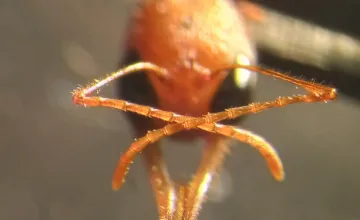
The olfactory senses of ants help them hunt, detect outsiders, and know their role within a colony. In a new study, researchers have discovered how ants can switch one gene on out of hundreds to ensure their survival.
Explore More: University Research
You can filter stories by the university.
Researchers have used CRISPR gene editing, stem cells and human neurons to understand the role of a gene that is commonly mutated in autism. A new study ties mutations in the gene CHD8 with a broad spectrum of molecular and cellular defects in human neurons.
A team of biomedical engineers has developed a new hydrogel-based delivery system that balances the acidic environment in a tumor and greatly enhances the cancer-fighting activity of the chemotherapeutic drug it encapsulates.
Mapping out brain networks in teenagers can help predict current and future risky drinking behavior, according to Sarah Yip, PhD, associate professor of psychiatry and in the Yale Child Study Center.
Researchers designed a vaccine to prevent serious infections from drug-resistant pathogens like MRSA. A new study shows that a single dose, administered in mouse models, provided rapid protection against nine different bacteria and fungi species.
A research team has developed molecules that could help unclog thick, sticky mucus from the lungs of people suffering from cystic fibrosis.