
AAU universities conduct a majority of the federally funded university research that contributes to our economic competitiveness, health and well-being, and national security. AAU universities are growing our economy through invention and innovation while preparing the next generation of scientists and engineers for global leadership. By moving research into the marketplace AAU universities are helping to create jobs, and provide society with new medicines and technologies.
A study by researchers at Duke University School of Medicine found that supplying healthy mitochrondra to damaged nerve cells can signifantly help millions managing pain from diabetic neuropathy and chemotherapy.

Researchers from the USF College of Marine Science are studying soft tissue samples from barnacles, oysters, and fish to better understand the state of contamination and its origins in Tampa Bay, Florida's largest estuary.
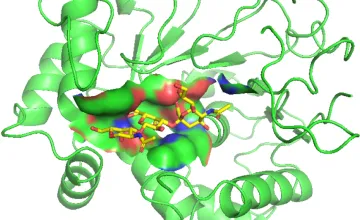
The advancement lays the groundwork for creating a library of sugar-recognizing proteins that may help detect and treat diverse illnesses.
The olfactory senses of ants help them hunt, detect outsiders, and know their role within a colony. In a new study, researchers have discovered how ants can switch one gene on out of hundreds to ensure their survival.
Explore More: University Research
You can filter stories by the university.
Using a chip to process blood samples, doctors can monitor the amount of cancer cells in a patient’s blood to determine how well a treatment is working by the fourth week, according to a new University of Michigan study.
A researcher at the University of Florida's Emerging Pathogens Institute (EPI) is working on a new sterilization technology which uses plasma-generated ozone to kill microbes without damaging sensitive equipment.
Prior to the pandemic, the majority of American adults thought that families should be responsible for the daily care of older adults. But there is a small sea change in that way of thinking, says a University of Michigan researcher.
Researchers at Case Western Reserve University and University Hospitals have identified an enzyme that blocks insulin produced in the body—a discovery that could provide a new target to treat diabetes.
People process information more efficiently but tend to be less vigilant about misinformation on their mobile phones compared to personal computers, according to a team led by Penn State researchers.