AAU universities conduct a majority of the federally funded university research that contributes to our economic competitiveness, health and well-being, and national security. AAU universities are growing our economy through invention and innovation while preparing the next generation of scientists and engineers for global leadership. By moving research into the marketplace AAU universities are helping to create jobs, and provide society with new medicines and technologies.
A study by researchers at Duke University School of Medicine found that supplying healthy mitochrondra to damaged nerve cells can signifantly help millions managing pain from diabetic neuropathy and chemotherapy.
Researchers from the USF College of Marine Science are studying soft tissue samples from barnacles, oysters, and fish to better understand the state of contamination and its origins in Tampa Bay, Florida's largest estuary.
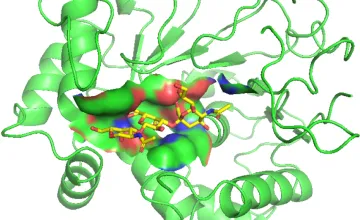
The advancement lays the groundwork for creating a library of sugar-recognizing proteins that may help detect and treat diverse illnesses.
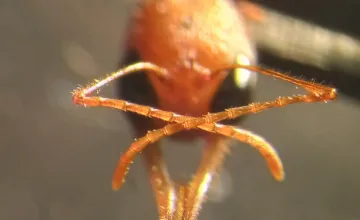
The olfactory senses of ants help them hunt, detect outsiders, and know their role within a colony. In a new study, researchers have discovered how ants can switch one gene on out of hundreds to ensure their survival.
Explore More: University Research
You can filter stories by the university.
A team of NYU chemists and physicists are using cutting-edge tools to unlock how cells build and grow tiny, dynamic droplets known as biomolecular condensates, which may shape future drug development and disease modeling.
A study examining people experiencing autism aims to understand how touch, vision, and hearing first begin to develop in the brain and learn how that development differs between people who have autism and those who do not.
UC Irvine astronomers discover scores of exoplanets may be larger than realized, a finding which could impact the search for extraterrestrial life.
A new Yale study has found a promising target for treating COVID-19-induced brain fog and offers new insight into the origin of Alzheimer’s disease.
Yale researchers have developed an efficient system to extract and convert dissolved CO₂ into clean fuels and useful industrial feedstock, potentially transforming seawater into a sustainable source for carbon-based products while helping balance oceanic CO₂ levels.