
AAU universities conduct a majority of the federally funded university research that contributes to our economic competitiveness, health and well-being, and national security. AAU universities are growing our economy through invention and innovation while preparing the next generation of scientists and engineers for global leadership. By moving research into the marketplace AAU universities are helping to create jobs, and provide society with new medicines and technologies.
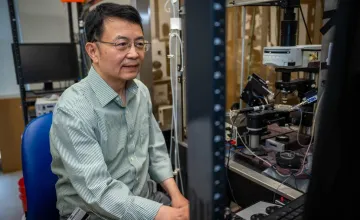
A study by researchers at Duke University School of Medicine found that supplying healthy mitochrondra to damaged nerve cells can signifantly help millions managing pain from diabetic neuropathy and chemotherapy.

Researchers from the USF College of Marine Science are studying soft tissue samples from barnacles, oysters, and fish to better understand the state of contamination and its origins in Tampa Bay, Florida's largest estuary.
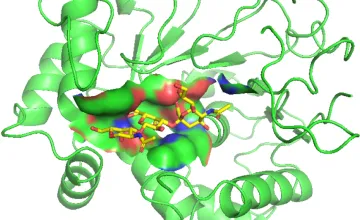
The advancement lays the groundwork for creating a library of sugar-recognizing proteins that may help detect and treat diverse illnesses.

The olfactory senses of ants help them hunt, detect outsiders, and know their role within a colony. In a new study, researchers have discovered how ants can switch one gene on out of hundreds to ensure their survival.
Explore More: University Research
You can filter stories by the university.
A new University of Maryland study suggests that Washington, D.C.’s most socioeconomically vulnerable neighborhoods are less equipped to handle runoff from heavy rainfalls made more frequent by climate change.
In a new study, Yale researchers describe how a novel chemical compound attacks drug-resistant brain tumors without harming healthy surrounding tissue.
Researchers from the University of Arizona conducted an analysis of 15 years of national data on suicides and homicides and found that nocturnal wakefulness could be a contributing factor in both.
When Kevin Hainline saw the data on his screen, he jumped up from his desk, startled by what he saw.
Rachel Perry, PhD, an assistant professor at Yale School of Medicine, investigates how insulin and metabolic factors influence tumor growth and how altering diet and exercise can mitigate cancer risks.