
AAU universities conduct a majority of the federally funded university research that contributes to our economic competitiveness, health and well-being, and national security. AAU universities are growing our economy through invention and innovation while preparing the next generation of scientists and engineers for global leadership. By moving research into the marketplace AAU universities are helping to create jobs, and provide society with new medicines and technologies.
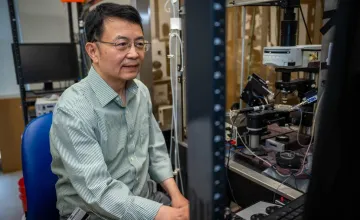
A study by researchers at Duke University School of Medicine found that supplying healthy mitochrondra to damaged nerve cells can signifantly help millions managing pain from diabetic neuropathy and chemotherapy.

Researchers from the USF College of Marine Science are studying soft tissue samples from barnacles, oysters, and fish to better understand the state of contamination and its origins in Tampa Bay, Florida's largest estuary.
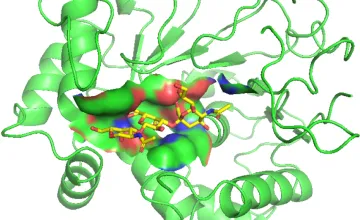
The advancement lays the groundwork for creating a library of sugar-recognizing proteins that may help detect and treat diverse illnesses.
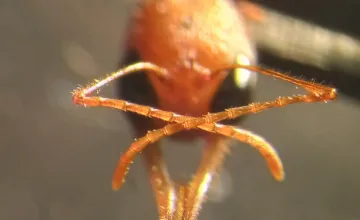
The olfactory senses of ants help them hunt, detect outsiders, and know their role within a colony. In a new study, researchers have discovered how ants can switch one gene on out of hundreds to ensure their survival.
Explore More: University Research
You can filter stories by the university.
Sports-related concussions are now part of the national conversation, and a team of UA researchers — including football players Jason Sweet and Scooby Wright — is teaching athletes to recognize and report the signs.
The Berklett Cybersecurity Project of the Berkman Center for Internet & Society at Harvard University is pleased to announce the publication of a new report entitled “Don’t Panic: Making Progress on the ‘Going Dark’ Debate.”
Opioid addiction is a crippling problem in society, with an estimated 9 percent of Americans abusing opiates at some point in their life.
Addiction | University of Minnesota, Twin Cities | AAU Universities Battle the Opioid Crisis | Treatment & Prevention | Researching the Brain, Seeking Cures
Researchers have developed a painkiller that is as strong as morphine but isn’t likely to be addictive and with fewer side effects.
UCLA-led research team plans to test approach with post-9/11 veterans to heal ‘the invisible wounds of war’.