
AAU universities conduct a majority of the federally funded university research that contributes to our economic competitiveness, health and well-being, and national security. AAU universities are growing our economy through invention and innovation while preparing the next generation of scientists and engineers for global leadership. By moving research into the marketplace AAU universities are helping to create jobs, and provide society with new medicines and technologies.
A study by researchers at Duke University School of Medicine found that supplying healthy mitochrondra to damaged nerve cells can signifantly help millions managing pain from diabetic neuropathy and chemotherapy.

Researchers from the USF College of Marine Science are studying soft tissue samples from barnacles, oysters, and fish to better understand the state of contamination and its origins in Tampa Bay, Florida's largest estuary.
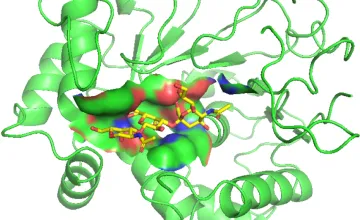
The advancement lays the groundwork for creating a library of sugar-recognizing proteins that may help detect and treat diverse illnesses.
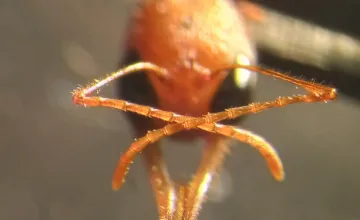
The olfactory senses of ants help them hunt, detect outsiders, and know their role within a colony. In a new study, researchers have discovered how ants can switch one gene on out of hundreds to ensure their survival.
Explore More: University Research
You can filter stories by the university.
MIT researchers have now captured the initial moments during a butterfly’s metamorphosis, as an individual scale begins to develop this ridged pattern. The team used advanced imaging techniques to observe the microscopic features on a developing wing.
Researchers from Washington University in St. Louis and UC Santa Cruz have uncovered groundbreaking insights into the brain's activity during sleep and wake states.
Researchers from an international team led by NYU have created the first detailed maps of the underside of an Antarctic glacier, offering new insights into future sea level rise.
A new study from the University of Arizona found that different regions of the Amazon rainforest respond to drought differently because of differences in local forest environments and differences in the properties of trees themselves.
A paper published by researchers at UC Santa Cruz shows how deoxygenation of the world’s marine and freshwater ecosystems represents an additional planetary boundary that is critical to the integrity of Earth’s ecological and social systems.