
AAU universities conduct a majority of the federally funded university research that contributes to our economic competitiveness, health and well-being, and national security. AAU universities are growing our economy through invention and innovation while preparing the next generation of scientists and engineers for global leadership. By moving research into the marketplace AAU universities are helping to create jobs, and provide society with new medicines and technologies.
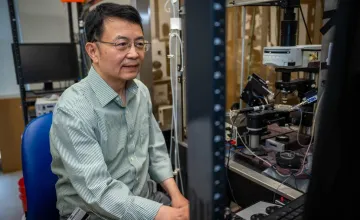
A study by researchers at Duke University School of Medicine found that supplying healthy mitochrondra to damaged nerve cells can signifantly help millions managing pain from diabetic neuropathy and chemotherapy.

Researchers from the USF College of Marine Science are studying soft tissue samples from barnacles, oysters, and fish to better understand the state of contamination and its origins in Tampa Bay, Florida's largest estuary.
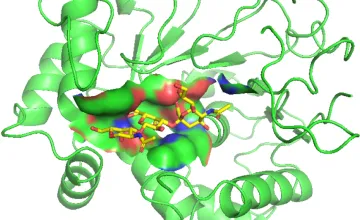
The advancement lays the groundwork for creating a library of sugar-recognizing proteins that may help detect and treat diverse illnesses.
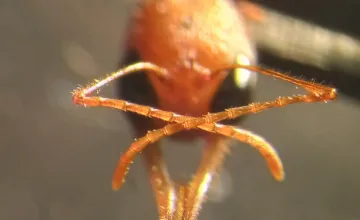
The olfactory senses of ants help them hunt, detect outsiders, and know their role within a colony. In a new study, researchers have discovered how ants can switch one gene on out of hundreds to ensure their survival.
Explore More: University Research
You can filter stories by the university.
Using step data captured by smartphones, Stanford researchers have defined a new public health risk they call activity inequality. That's the gap between people who walk a lot and those who walk very little.
Middle- and working-class workers’ earnings in the US have been stagnating or sinking in recent decades, according to a study conducted by a team that included researchers from the University of Minnesota.
A deeper understanding of the brain’s connectivity network of neurons and its relationship to the organ’s deep tissue could allow researchers to predict brain spatial patterns and recognize what processes relate to neurological disorders.
A study by researchers at Stony Brook University indicates concrete construction waste can help rid the air of sulfur dioxide, a major pollutant
An algorithm developed by Stanford computer scientists can diagnose 14 types of heart rhythm defects, called arrhythmias, better than cardiologists.