
AAU universities conduct a majority of the federally funded university research that contributes to our economic competitiveness, health and well-being, and national security. AAU universities are growing our economy through invention and innovation while preparing the next generation of scientists and engineers for global leadership. By moving research into the marketplace AAU universities are helping to create jobs, and provide society with new medicines and technologies.
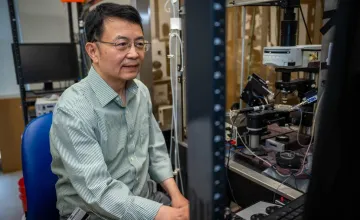
A study by researchers at Duke University School of Medicine found that supplying healthy mitochrondra to damaged nerve cells can signifantly help millions managing pain from diabetic neuropathy and chemotherapy.

Researchers from the USF College of Marine Science are studying soft tissue samples from barnacles, oysters, and fish to better understand the state of contamination and its origins in Tampa Bay, Florida's largest estuary.
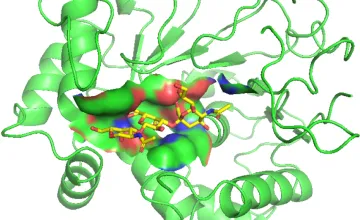
The advancement lays the groundwork for creating a library of sugar-recognizing proteins that may help detect and treat diverse illnesses.
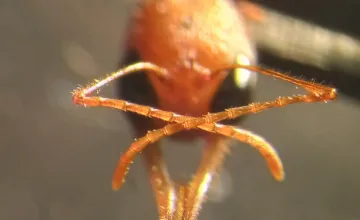
The olfactory senses of ants help them hunt, detect outsiders, and know their role within a colony. In a new study, researchers have discovered how ants can switch one gene on out of hundreds to ensure their survival.
Explore More: University Research
You can filter stories by the university.
Two Cornell students have developed a prototype for augmented reality headsets to help people who are deaf or hard of hearing navigate one-on-one conversations.
In a new study, USC researchers used machine learning to identify potential blood-based markers of Alzheimer’s disease that could help with earlier diagnosis and tracking the progress of the disease.
UC Berkeley scientists have determined how poor sleep affects pain by identifying neural glitches in the sleep-deprived brain that can intensify and prolong the agony of sickness and injury.
A new Northwestern Medicine study was the first to directly compare the quality and experience of outpatient care between adults with or without primary care.
In a first-in-world clinical trial, researchers at The Ohio State University College of Medicine are studying how well-focused ultrasound surgery works in adults with a specific type of epilepsy whose seizures are not controlled by medication.