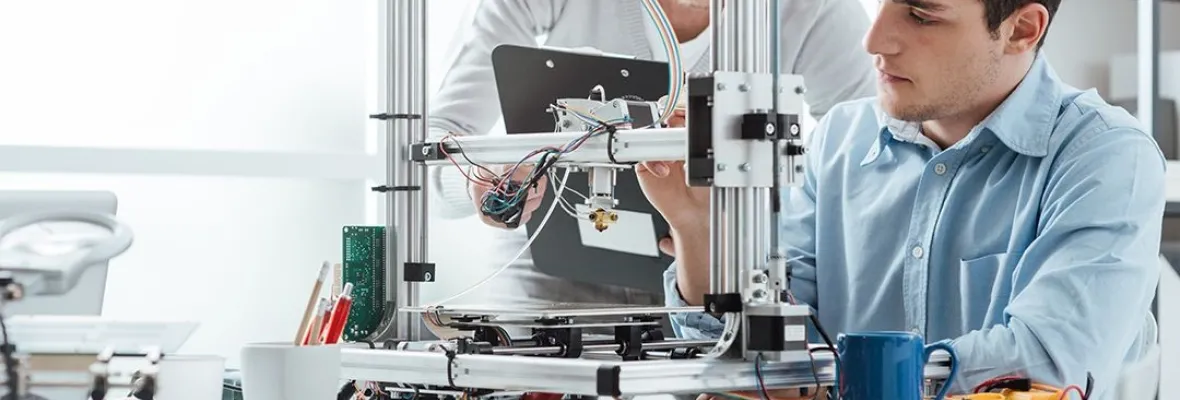
AAU universities conduct a majority of the federally funded university research that contributes to our economic competitiveness, health and well-being, and national security. AAU universities are growing our economy through invention and innovation while preparing the next generation of scientists and engineers for global leadership. By moving research into the marketplace AAU universities are helping to create jobs, and provide society with new medicines and technologies.
A study by researchers at Duke University School of Medicine found that supplying healthy mitochrondra to damaged nerve cells can signifantly help millions managing pain from diabetic neuropathy and chemotherapy.

Researchers from the USF College of Marine Science are studying soft tissue samples from barnacles, oysters, and fish to better understand the state of contamination and its origins in Tampa Bay, Florida's largest estuary.
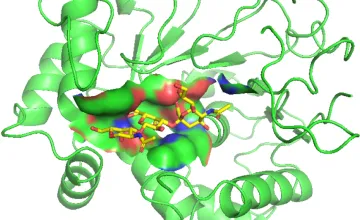
The advancement lays the groundwork for creating a library of sugar-recognizing proteins that may help detect and treat diverse illnesses.
The olfactory senses of ants help them hunt, detect outsiders, and know their role within a colony. In a new study, researchers have discovered how ants can switch one gene on out of hundreds to ensure their survival.
Explore More: University Research
You can filter stories by the university.
The Yale Depression Research Program is studying how ketamine and esketamine work fo Major Depressive Disorder with the goal of better understanding the risks and use patterns associated with the newly approved therapy.
Yale scholar Zhen Lian created an interactive tool that helped San Francisco reach consensus on school schedules, move start times later, and save millions of dollars in transportation.
A nursing researcher is exploring the relationship between Alzheimer’s disease and biomarkers of neurodegeneration, sleep disturbances and cognitive decline to establish better standards for preventive care practices.
A study provides new guidance for designing sodium-ion batteries, which are emerging as a less expensive and more environmentally friendly complement to lithium-based batteries.
To improve outcomes for Lyme disease patients, researchers at Dartmouth have developed a new Lyme disease test that offers faster more accurate diagnoses.