
AAU universities conduct a majority of the federally funded university research that contributes to our economic competitiveness, health and well-being, and national security. AAU universities are growing our economy through invention and innovation while preparing the next generation of scientists and engineers for global leadership. By moving research into the marketplace AAU universities are helping to create jobs, and provide society with new medicines and technologies.
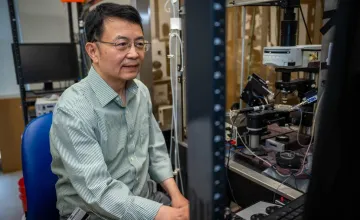
A study by researchers at Duke University School of Medicine found that supplying healthy mitochrondra to damaged nerve cells can signifantly help millions managing pain from diabetic neuropathy and chemotherapy.

Researchers from the USF College of Marine Science are studying soft tissue samples from barnacles, oysters, and fish to better understand the state of contamination and its origins in Tampa Bay, Florida's largest estuary.
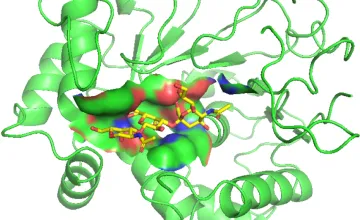
The advancement lays the groundwork for creating a library of sugar-recognizing proteins that may help detect and treat diverse illnesses.
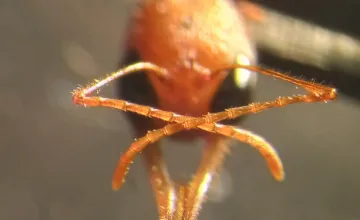
The olfactory senses of ants help them hunt, detect outsiders, and know their role within a colony. In a new study, researchers have discovered how ants can switch one gene on out of hundreds to ensure their survival.
Explore More: University Research
You can filter stories by the university.
Stony Brook Medicine is the first on Long Island to use FDA-approved vagus nerve stimulation (VNS) to help stroke survivors regain hand and arm function, even years after their stroke.
A new global study co-authored by UC Santa Cruz scientist Heather Welch finds that most whale-ship collision hotspots lack protections, putting blue, fin, humpback, and sperm whales at serious risk as global shipping grows.
Stony Brook researchers uncovered how Eurasian shrews shrink and regrow their brains seasonally, revealing gene activity that may offer insights into human neurological and metabolic diseases.
Rutgers study identifies gene variant linked to egg abnormalities and early infertility, paving the way for precision reproductive medicine.
Brown University now offsets two-thirds of its campus electricity with the new Dry Bridge solar project— one of Rhode Island’s largest solar installations— advancing its goal of net-zero emissions by 2040.