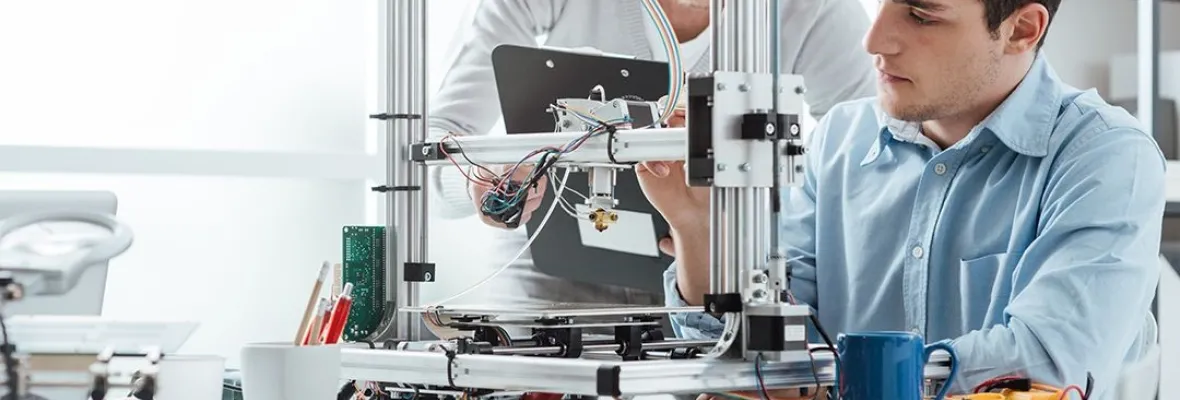
AAU universities conduct a majority of the federally funded university research that contributes to our economic competitiveness, health and well-being, and national security. AAU universities are growing our economy through invention and innovation while preparing the next generation of scientists and engineers for global leadership. By moving research into the marketplace AAU universities are helping to create jobs, and provide society with new medicines and technologies.
A study by researchers at Duke University School of Medicine found that supplying healthy mitochrondra to damaged nerve cells can signifantly help millions managing pain from diabetic neuropathy and chemotherapy.
Researchers from the USF College of Marine Science are studying soft tissue samples from barnacles, oysters, and fish to better understand the state of contamination and its origins in Tampa Bay, Florida's largest estuary.
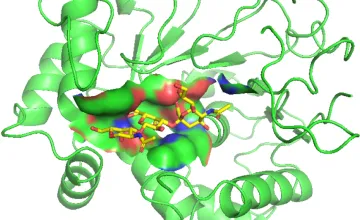
The advancement lays the groundwork for creating a library of sugar-recognizing proteins that may help detect and treat diverse illnesses.
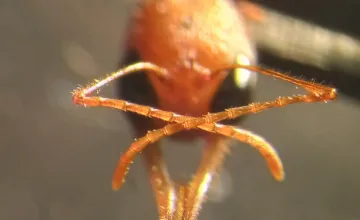
The olfactory senses of ants help them hunt, detect outsiders, and know their role within a colony. In a new study, researchers have discovered how ants can switch one gene on out of hundreds to ensure their survival.
Explore More: University Research
You can filter stories by the university.
Results of a new USC Dornsife study uncover factors in urban areas that affect diversity in insects and spiders.
A new study co-written by a University of Kansas researcher finds that the stereotypes Americans hold about those who speak with a Southern accent override the actual information reaching their ears.
A University at Buffalo chemist has been awarded a grant to develop adsorbent materials, specifically organo-silica, to enhance the detection of PFAS and other pollutants at low levels within water samples.
Research Into the Nature of Memory Reveals How Cells That Store Information Are Stabilized Over Time
Neuroscientists have discovered how the brain improves its ability to distinguish between similar experiences at a cellular level, a discovery critical to the understanding and treatment of memory disorder.
Scientist Siwei Lyu and his team at the University at Buffalo are developing deepfake detection algorithms that are less biased.