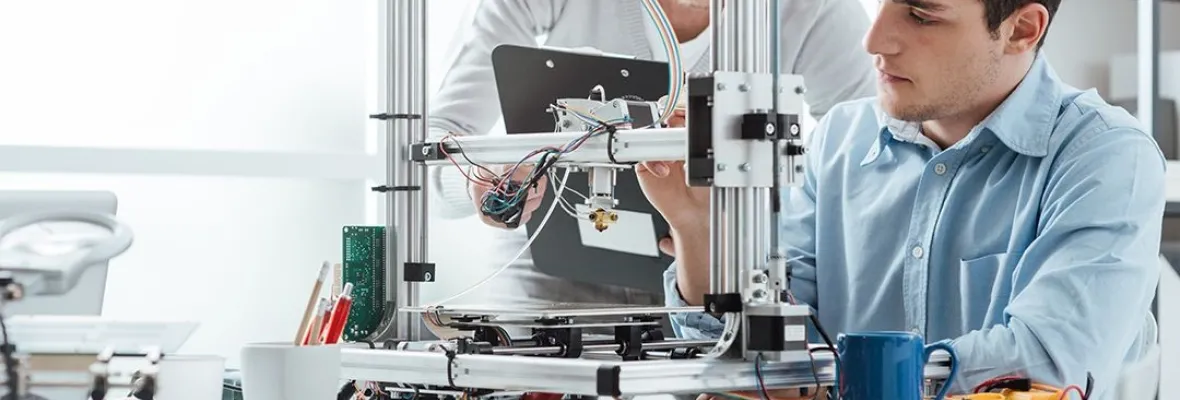
AAU universities conduct a majority of the federally funded university research that contributes to our economic competitiveness, health and well-being, and national security. AAU universities are growing our economy through invention and innovation while preparing the next generation of scientists and engineers for global leadership. By moving research into the marketplace AAU universities are helping to create jobs, and provide society with new medicines and technologies.
A study by researchers at Duke University School of Medicine found that supplying healthy mitochrondra to damaged nerve cells can signifantly help millions managing pain from diabetic neuropathy and chemotherapy.

Researchers from the USF College of Marine Science are studying soft tissue samples from barnacles, oysters, and fish to better understand the state of contamination and its origins in Tampa Bay, Florida's largest estuary.
The advancement lays the groundwork for creating a library of sugar-recognizing proteins that may help detect and treat diverse illnesses.
The olfactory senses of ants help them hunt, detect outsiders, and know their role within a colony. In a new study, researchers have discovered how ants can switch one gene on out of hundreds to ensure their survival.
Explore More: University Research
You can filter stories by the university.
A new study by UC Santa Cruz researchers provides in-depth analysis of the evolution and impact of malware attacks on Ukraine's power grid.
University of Rochester researchers studied Earth’s magnetic field during the transformative Ediacaran Period, raising questions about factors that may have fueled the emergence of complex, multicellular organisms, such as Ediacaran fauna, notable for their resemblance to early animals.
A University at Buffalo-led research team has found that, indeed, some of the same genes whose mutations gave rise to a low functioning male gorilla reproductive system may also be responsible for human male infertility.
Mental illness costs the U.S. economy $282 billion annually, which is equivalent to the average economic recession, according to a new study co-authored by Yale economist Aleh Tsyvinski.
A new microscopy technique developed by Yale scientists provides an unprecedented way to view the inner workings of individual cells.