
AAU universities conduct a majority of the federally funded university research that contributes to our economic competitiveness, health and well-being, and national security. AAU universities are growing our economy through invention and innovation while preparing the next generation of scientists and engineers for global leadership. By moving research into the marketplace AAU universities are helping to create jobs, and provide society with new medicines and technologies.
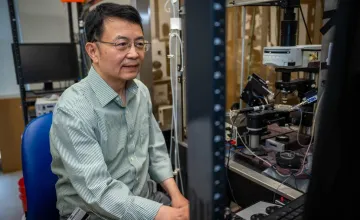
A study by researchers at Duke University School of Medicine found that supplying healthy mitochrondra to damaged nerve cells can signifantly help millions managing pain from diabetic neuropathy and chemotherapy.
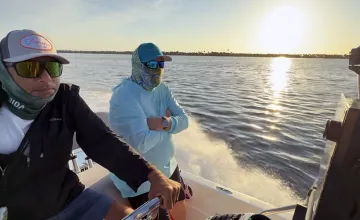
Researchers from the USF College of Marine Science are studying soft tissue samples from barnacles, oysters, and fish to better understand the state of contamination and its origins in Tampa Bay, Florida's largest estuary.
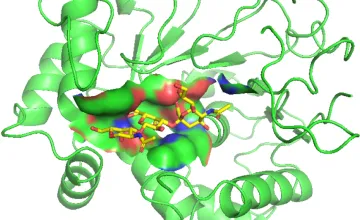
The advancement lays the groundwork for creating a library of sugar-recognizing proteins that may help detect and treat diverse illnesses.
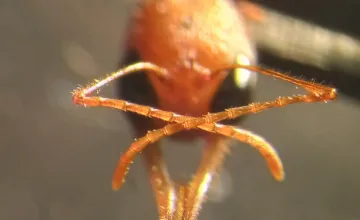
The olfactory senses of ants help them hunt, detect outsiders, and know their role within a colony. In a new study, researchers have discovered how ants can switch one gene on out of hundreds to ensure their survival.
Explore More: University Research
You can filter stories by the university.
Researchers from the University of Chicago describe how radiation can suppress cancer-killing immune responses and how immunotherapies can overcome this suppression.
A new study from the University at Buffalo has found that medications such as Ozempic do not increase the risk of pancreatitis in patients with a history of the condition.
A study from the University of Notre Dame reveals that the frustrations experienced by Taylor Swift fans during the 2022 “Eras Tour” ticket sales led them to become more politically aware and engaged.
A study by MIT economists reveals that low-income families are more likely to move to higher-opportunity neighborhoods when assisted by a "navigator."
A study led by a professor from Stony Brook University has found that increased vessel traffic is a significant factor in the rise of whale strandings along the East Coast of the United States.