
AAU universities conduct a majority of the federally funded university research that contributes to our economic competitiveness, health and well-being, and national security. AAU universities are growing our economy through invention and innovation while preparing the next generation of scientists and engineers for global leadership. By moving research into the marketplace AAU universities are helping to create jobs, and provide society with new medicines and technologies.
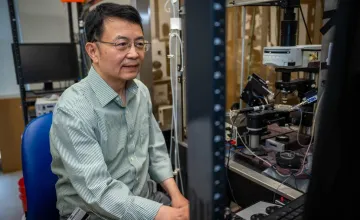
A study by researchers at Duke University School of Medicine found that supplying healthy mitochrondra to damaged nerve cells can signifantly help millions managing pain from diabetic neuropathy and chemotherapy.

Researchers from the USF College of Marine Science are studying soft tissue samples from barnacles, oysters, and fish to better understand the state of contamination and its origins in Tampa Bay, Florida's largest estuary.
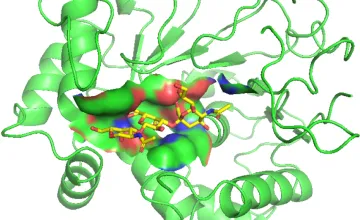
The advancement lays the groundwork for creating a library of sugar-recognizing proteins that may help detect and treat diverse illnesses.
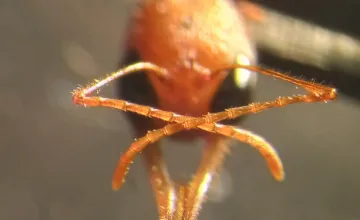
The olfactory senses of ants help them hunt, detect outsiders, and know their role within a colony. In a new study, researchers have discovered how ants can switch one gene on out of hundreds to ensure their survival.
Explore More: University Research
You can filter stories by the university.
New research from the University at Buffalo offers insights into the strategies that help students from underrepresented groups succeed academically and in their careers.
A novel therapy that reprograms immune cells to promote antitumor activity helped shrink hard-to-treat prostate and bladder cancers in mice, according to research from the Johns Hopkins Kimmel Cancer Center.
A study led by StonyBrook links climate change since the 1990s to intensifying toxic algal blooms in Lake Erie. Led by Christopher Gobler, it shows warming has made the lake more conducive to these blooms, posing health risks.
A global consortium led by a researcher from UC Santa Cruz has published a study evaluating long-read RNA sequencing platforms. The study provides guidance on optimizing these methods for different research scenarios.
New research from the University of Kansas finds that most of the US markets have ample housing in total, but nearly all lack enough units affordable to very low-income households.