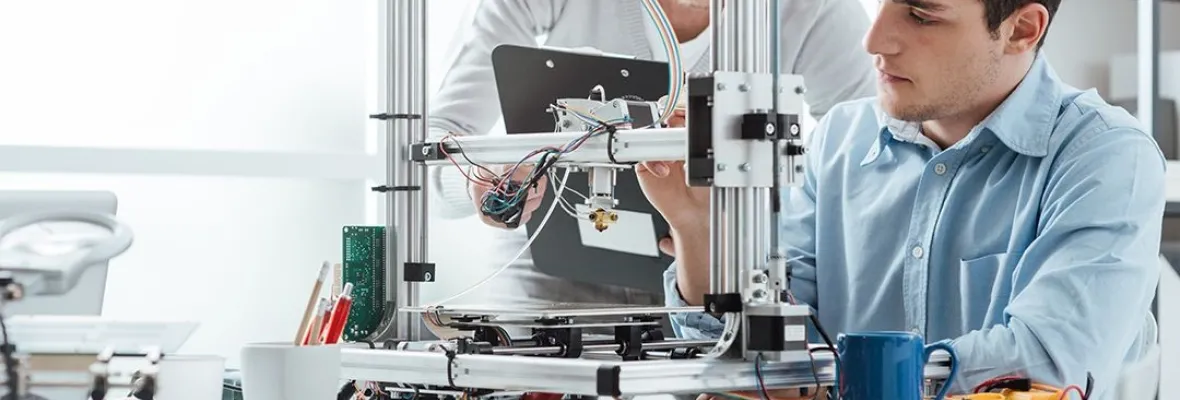
AAU universities conduct a majority of the federally funded university research that contributes to our economic competitiveness, health and well-being, and national security. AAU universities are growing our economy through invention and innovation while preparing the next generation of scientists and engineers for global leadership. By moving research into the marketplace AAU universities are helping to create jobs, and provide society with new medicines and technologies.
A study by researchers at Duke University School of Medicine found that supplying healthy mitochrondra to damaged nerve cells can signifantly help millions managing pain from diabetic neuropathy and chemotherapy.

Researchers from the USF College of Marine Science are studying soft tissue samples from barnacles, oysters, and fish to better understand the state of contamination and its origins in Tampa Bay, Florida's largest estuary.
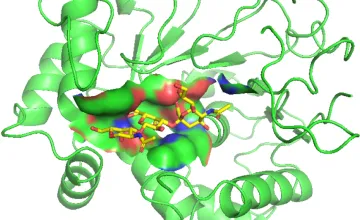
The advancement lays the groundwork for creating a library of sugar-recognizing proteins that may help detect and treat diverse illnesses.
The olfactory senses of ants help them hunt, detect outsiders, and know their role within a colony. In a new study, researchers have discovered how ants can switch one gene on out of hundreds to ensure their survival.
Explore More: University Research
You can filter stories by the university.
A University of Chicago graduate student explores using genetics to understand neurodegeneration, focusing on how neurons maintain their distinct molecular signatures, crucial for their identity and function throughout a lifetime.
MIT researchers have now developed an alternative approach that uses ultrasound instead of electricity to perform deep brain stimulation, delivered by a fiber about the thickness of a human hair.
A recent study from the University of Chicago highlights the unique challenges faced by first-generation (first-gen) medical students.
Researchers at Purdue University have developed a web-based tool that can identify genes regulating specific traits in plants without the need for experiments.
Using data from NASA's James Webb Space Telescope (JWST), UArizona astronomers have provided scientists with their first detailed look at supernovas from the early universe, uncovering ten times more than previously known.