
AAU universities conduct a majority of the federally funded university research that contributes to our economic competitiveness, health and well-being, and national security. AAU universities are growing our economy through invention and innovation while preparing the next generation of scientists and engineers for global leadership. By moving research into the marketplace AAU universities are helping to create jobs, and provide society with new medicines and technologies.
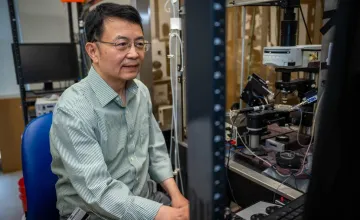
A study by researchers at Duke University School of Medicine found that supplying healthy mitochrondra to damaged nerve cells can signifantly help millions managing pain from diabetic neuropathy and chemotherapy.

Researchers from the USF College of Marine Science are studying soft tissue samples from barnacles, oysters, and fish to better understand the state of contamination and its origins in Tampa Bay, Florida's largest estuary.
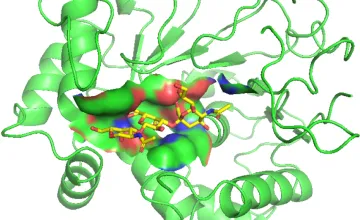
The advancement lays the groundwork for creating a library of sugar-recognizing proteins that may help detect and treat diverse illnesses.
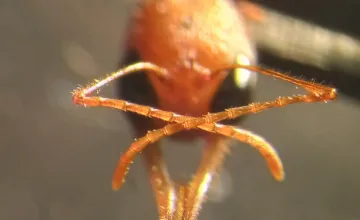
The olfactory senses of ants help them hunt, detect outsiders, and know their role within a colony. In a new study, researchers have discovered how ants can switch one gene on out of hundreds to ensure their survival.
Explore More: University Research
You can filter stories by the university.
More than half of patients hospitalized for a concussion receive no follow-up care within three months of their discharge, according to a national multi-center study.
University of Southern California | Brain Injury | Researching the Brain, Seeking Cures | University Research
New, more intensive high blood pressure treatment guidelines could increase the number of U.S. adults categorized as having high blood pressure by 31 million.
In-home rehabilitation, using a telehealth system and supervised by licensed occupational/physical therapists, is an effective means of improving arm motor status in stroke survivors, according to a UCI neurologist.
MIT researchers have built an ingestible sensor equipped with genetically engineered bacteria that can diagnose bleeding in the stomach or other gastrointestinal problems.
Seaweed may be the superfood dairy cattle need to reduce the amount of methane they burp into the atmosphere, according to research at the University of California, Davis.