
AAU universities conduct a majority of the federally funded university research that contributes to our economic competitiveness, health and well-being, and national security. AAU universities are growing our economy through invention and innovation while preparing the next generation of scientists and engineers for global leadership. By moving research into the marketplace AAU universities are helping to create jobs, and provide society with new medicines and technologies.
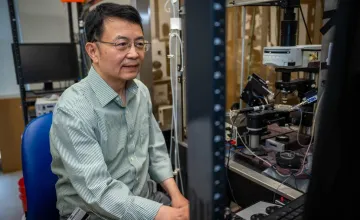
A study by researchers at Duke University School of Medicine found that supplying healthy mitochrondra to damaged nerve cells can signifantly help millions managing pain from diabetic neuropathy and chemotherapy.

Researchers from the USF College of Marine Science are studying soft tissue samples from barnacles, oysters, and fish to better understand the state of contamination and its origins in Tampa Bay, Florida's largest estuary.
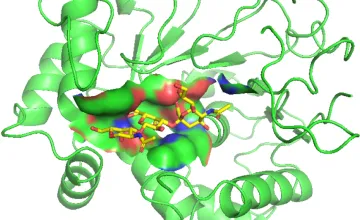
The advancement lays the groundwork for creating a library of sugar-recognizing proteins that may help detect and treat diverse illnesses.
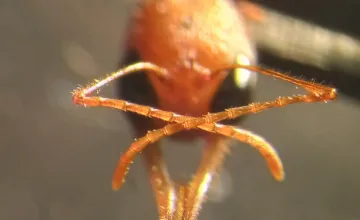
The olfactory senses of ants help them hunt, detect outsiders, and know their role within a colony. In a new study, researchers have discovered how ants can switch one gene on out of hundreds to ensure their survival.
Explore More: University Research
You can filter stories by the university.
The prevalence of metabolic health in American adults is ‘alarmingly low,’ even among people who are normal weight, according to researchers at the University of North Carolina at Chapel Hill’s Gillings School of Global Public Health.
New Michigan State University research suggests babies who are less active get less sleep, something new parents may want to consider when looking for possible solutions for the long, sleepless nights.
A new study from The Ohio State University found that mailing at-home HPV tests to hard-to-reach women may be a viable approach, one that could be especially helpful in regions such as Appalachia, where access to women’s health care can be limited.
Researchers have identified the key molecular players in a call's decision to repair a damaged protein or destroy it, a first step toward treating many human diseases, including Alzheimer’s, Parkinson’s and cancers.
Scientists at The University of Texas at Austin’s Marine Science Institute have discovered nearly two dozen new types of microbes, many of which use hydrocarbons such as methane and butane as energy sources to survive and grow—meaning the newly identified bacteria might be helping to limit the concentrations of greenhouse gases in the atmosphere and might one day be useful for cleaning up oil spills.