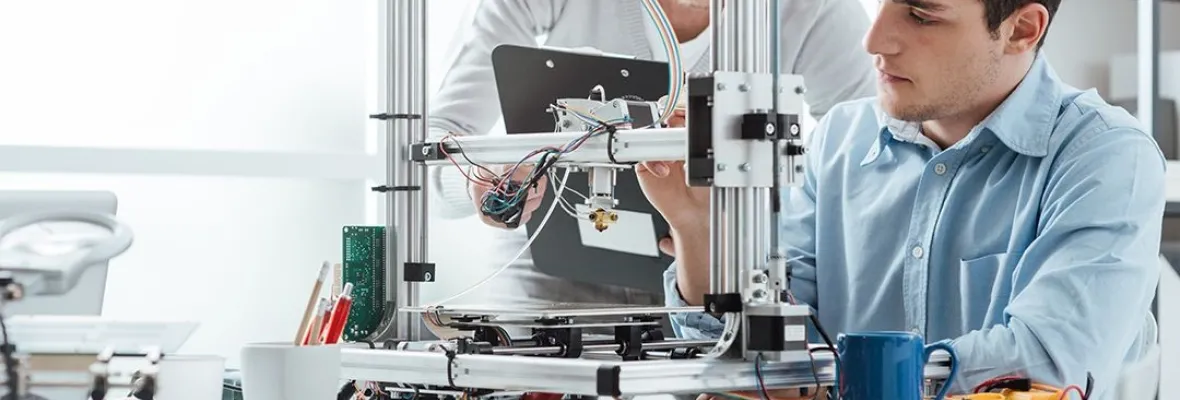
AAU universities conduct a majority of the federally funded university research that contributes to our economic competitiveness, health and well-being, and national security. AAU universities are growing our economy through invention and innovation while preparing the next generation of scientists and engineers for global leadership. By moving research into the marketplace AAU universities are helping to create jobs, and provide society with new medicines and technologies.
A study by researchers at Duke University School of Medicine found that supplying healthy mitochrondra to damaged nerve cells can signifantly help millions managing pain from diabetic neuropathy and chemotherapy.

Researchers from the USF College of Marine Science are studying soft tissue samples from barnacles, oysters, and fish to better understand the state of contamination and its origins in Tampa Bay, Florida's largest estuary.
The advancement lays the groundwork for creating a library of sugar-recognizing proteins that may help detect and treat diverse illnesses.
The olfactory senses of ants help them hunt, detect outsiders, and know their role within a colony. In a new study, researchers have discovered how ants can switch one gene on out of hundreds to ensure their survival.
Explore More: University Research
You can filter stories by the university.
By anonymously tracking coronavirus spread through contact tracing, smartphone technology could help people get back to their daily lives—while keeping a close eye on the resurgence of the virus.
Pregnant women and new mothers want to know how the coronavirus will affect their newborns. From breastfeeding safety to viral transmission in the womb, Keck Medicine of USC maternal-fetal medicine specialist Marc Incerpi, answers burning questions about pregnancy during the pandemic.
As the coronavirus pandemic unfolds across the U.S., many families with young children are facing big challenges, and UO researchers are gearing up to help them.
UC San Diego’s Qualcomm Institute (QI) is drawing on its unique range of expertise and technology to help in the rapid prototyping and development of medical supplies desperately needed in the fight against the COVID-19 pandemic.
Researchers combine power of wearable device and big data analytics to track spread and early signs of infection—including among healthcare workers