
AAU universities conduct a majority of the federally funded university research that contributes to our economic competitiveness, health and well-being, and national security. AAU universities are growing our economy through invention and innovation while preparing the next generation of scientists and engineers for global leadership. By moving research into the marketplace AAU universities are helping to create jobs, and provide society with new medicines and technologies.
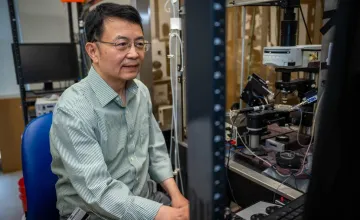
A study by researchers at Duke University School of Medicine found that supplying healthy mitochrondra to damaged nerve cells can signifantly help millions managing pain from diabetic neuropathy and chemotherapy.

Researchers from the USF College of Marine Science are studying soft tissue samples from barnacles, oysters, and fish to better understand the state of contamination and its origins in Tampa Bay, Florida's largest estuary.
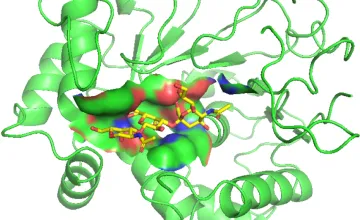
The advancement lays the groundwork for creating a library of sugar-recognizing proteins that may help detect and treat diverse illnesses.
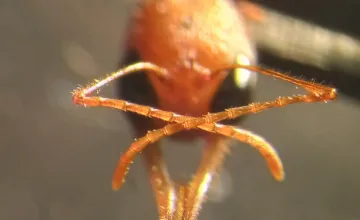
The olfactory senses of ants help them hunt, detect outsiders, and know their role within a colony. In a new study, researchers have discovered how ants can switch one gene on out of hundreds to ensure their survival.
Explore More: University Research
You can filter stories by the university.
Study shows kidney and nerve tissue cells learn and make memories in ways similar to neurons
RNA-targeting CRISPR reveals that hundreds of noncoding RNAs are essential—not “junk”— including in human development and cancer
People whose jobs are highly sedentary – an estimated 80% of the modern workforce – experience a much higher risk of insomnia symptoms, according to a new study led by University of South Florida psychologist Claire Smith.
Researchers introduce a biomarker to indicate whether someone is struggling with the inflexible thinking associated with the disorder.
Tufts University | Vanderbilt University | Researching the Brain, Seeking Cures | University Research
A research team led by Diane Hoffman-Kim, an associate professor of neuroscience and engineering at Brown, found a way to use cortical spheroids to study a type of brain injury that develops over time.