
AAU universities conduct a majority of the federally funded university research that contributes to our economic competitiveness, health and well-being, and national security. AAU universities are growing our economy through invention and innovation while preparing the next generation of scientists and engineers for global leadership. By moving research into the marketplace AAU universities are helping to create jobs, and provide society with new medicines and technologies.
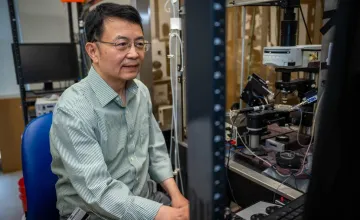
A study by researchers at Duke University School of Medicine found that supplying healthy mitochrondra to damaged nerve cells can signifantly help millions managing pain from diabetic neuropathy and chemotherapy.

Researchers from the USF College of Marine Science are studying soft tissue samples from barnacles, oysters, and fish to better understand the state of contamination and its origins in Tampa Bay, Florida's largest estuary.
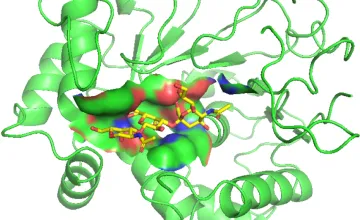
The advancement lays the groundwork for creating a library of sugar-recognizing proteins that may help detect and treat diverse illnesses.
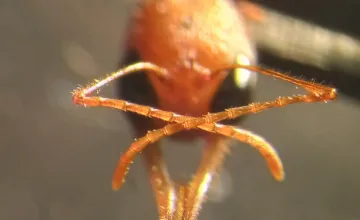
The olfactory senses of ants help them hunt, detect outsiders, and know their role within a colony. In a new study, researchers have discovered how ants can switch one gene on out of hundreds to ensure their survival.
Explore More: University Research
You can filter stories by the university.
Due to current higher water levels, much information about ancient human civilizations now lies underwater. A team of researchers has shown that robotic unmanned surface vessels offer a potential solution to collecting information from these valuable cultural heritage sites.
New research has revealed new insights into the metabolism of these specialized immune cells and how they could be enhanced as immune defense weapons against infections and tumors.
UC Riverside chemical engineers have designed a fuel that ignites only with the application of electric current. Since it doesn’t react to flames and cannot start accidental fires during storage or transport, it is a “safe” liquid fuel.
A new study reveals how the brain produces pregnenolone, the “mother hormone” that is the progenitor of all neurosteroids. (Photo by Ed Carreon)
New research finds electric vehicle buying incentives often fail to deliver on the government’s investment. Tax credits incentivize the wrong buyers, and many are led to increase their carbon footprint.