
AAU universities conduct a majority of the federally funded university research that contributes to our economic competitiveness, health and well-being, and national security. AAU universities are growing our economy through invention and innovation while preparing the next generation of scientists and engineers for global leadership. By moving research into the marketplace AAU universities are helping to create jobs, and provide society with new medicines and technologies.
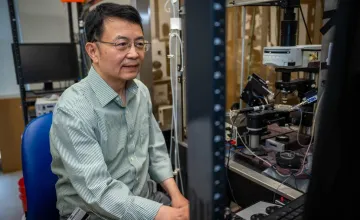
A study by researchers at Duke University School of Medicine found that supplying healthy mitochrondra to damaged nerve cells can signifantly help millions managing pain from diabetic neuropathy and chemotherapy.

Researchers from the USF College of Marine Science are studying soft tissue samples from barnacles, oysters, and fish to better understand the state of contamination and its origins in Tampa Bay, Florida's largest estuary.
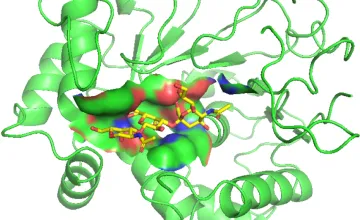
The advancement lays the groundwork for creating a library of sugar-recognizing proteins that may help detect and treat diverse illnesses.
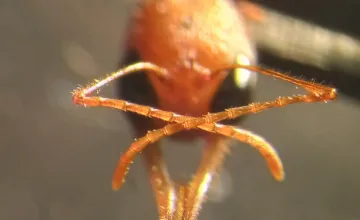
The olfactory senses of ants help them hunt, detect outsiders, and know their role within a colony. In a new study, researchers have discovered how ants can switch one gene on out of hundreds to ensure their survival.
Explore More: University Research
You can filter stories by the university.
A study co-led by UCLA found patients who received daraxonrasib, an investigational, first-in-class oral drug designed to block one of the primary drivers of pancreatic cancer, lived a median of 13.2 months compared with 6.7 months for those who received chemotherapy after their cancer had quit responding to prior treatment.
Recently approved by the FDA, this new AI system detects deadly infections faster than doctors, saving thousands of lives from a condition that claims more than 250,000 lives each year in the U.S.
Researchers at Stanford University have discovered how chemical sequences in common foods like wheat signal to the immune system that a particular food is safe to eat, leading to the potential development of treatments and therapies that can reduce or prevent food allergies.
CMU scientists have discovered a simple and valuable way to improve brain cancer surgeries, using “awake brain mapping” to minimize the risk of causing unintended disruptions to a patient’s quality of life while removing as much tumor as possible.
Stanford Medicine researchers and their colleagues invented a new vaccine that protects mice from respiratory viruses, bacteria and allergens — the closest yet to a universal vaccine.