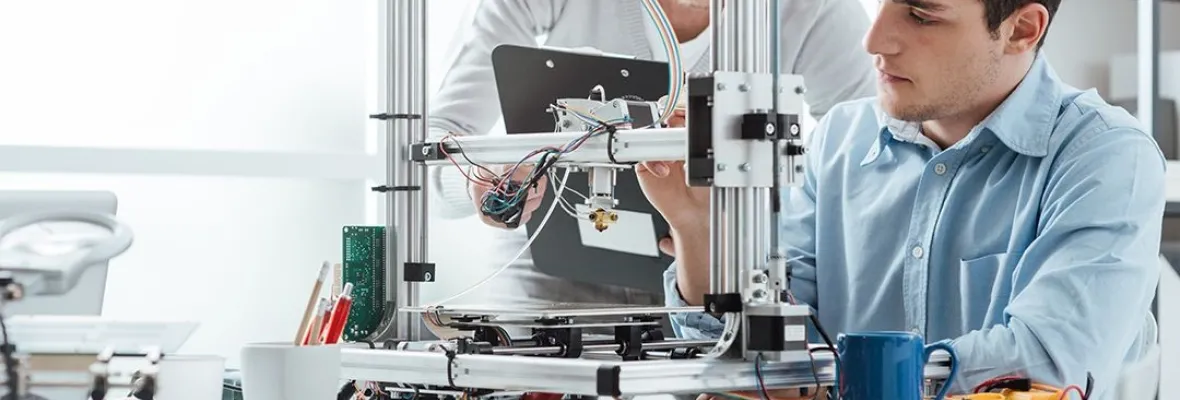
AAU universities conduct a majority of the federally funded university research that contributes to our economic competitiveness, health and well-being, and national security. AAU universities are growing our economy through invention and innovation while preparing the next generation of scientists and engineers for global leadership. By moving research into the marketplace AAU universities are helping to create jobs, and provide society with new medicines and technologies.
A study by researchers at Duke University School of Medicine found that supplying healthy mitochrondra to damaged nerve cells can signifantly help millions managing pain from diabetic neuropathy and chemotherapy.

Researchers from the USF College of Marine Science are studying soft tissue samples from barnacles, oysters, and fish to better understand the state of contamination and its origins in Tampa Bay, Florida's largest estuary.
The advancement lays the groundwork for creating a library of sugar-recognizing proteins that may help detect and treat diverse illnesses.
The olfactory senses of ants help them hunt, detect outsiders, and know their role within a colony. In a new study, researchers have discovered how ants can switch one gene on out of hundreds to ensure their survival.
Explore More: University Research
You can filter stories by the university.
A tiny part of the brain plays a key role in what we successfully remember during stressful or emotional situations, according to a new USC study.
A new study finds that engaging young children in conversation is more important for brain development than "dumping words" on them.
Between 1982 and 2015, 9 million to 45 million people were affected annually by water quality issues, according to a recent study led by the University of California, Irvine.
MIT’s Computer Science and Artificial Intelligence Laboratory (CSAIL) has developed NanoMap, a system that allows drones to consistently fly 20 miles per hour through dense environments such as forests and warehouses.
University of Washington engineers have turned tissue paper – similar to toilet tissue – into a new kind of wearable sensor that can detect a pulse, a blink of an eye and other human movement.