
By Kritika Agarwal
How do we tell the story of America on its 250th birthday? How do we learn about its past, its culture, its literature, its traditions, and its arts? Chances are the answers can be uncovered at a university campus, including its library, museum, or archive.
These institutions play a vital role in both preserving our heritage – from the personal papers and diaries of key historical figures to physical artifacts, official administrative records, and original artwork – and supporting scholarship that furthers our understanding of America’s history, culture, and identity. They provide spaces for students, researchers, and members of the public to engage with the past and forge a shared sense of identity and belonging.
In honor of the 250th anniversary of the Declaration of Independence, here are a few examples of humanities research and education programs at AAU member universities that are helping tell the story of our nation.
Learning About Our Founders
Since 1968, archivists, editors, and scholars at the University of Virginia have scoured hundreds of libraries and collections across the United States to compile and publish the papers of George Washington. The collection includes letters and documents written by Washington, his wife Martha, and other members of his family.
The project has been enabled, in part, by more than $5 million in grants from the National Endowment for the Humanities (NEH) since 1979. According to the NEH, the “Documents touch on nearly all facets of life in the late colonial period and provide insight into the founding of our nation. There are detailed records of [Washington’s] farming, trading, and land interests, ranging from financial account books to orders and invoices from British merchants to lists of slaves.”
Americans can purchase volumes of Washington’s papers or search them online for free. These materials enable students, teachers, and the general public to see the nation’s founding not only through landmark documents, but through the everyday decisions and relationships that shaped Washington’s life.
Gaining Insights from Great American Thinkers and Innovators
The celebrated novelist, humorist, and travel writer Samuel Langhorne Clemens (better known by his pen name, Mark Twain) may be the most quintessentially American author in history. The Mark Twain Papers and Project at the University of California, Berkeley contains the author’s voluminous letters and writings, offering the public insight into his life and achievements.
The online portion of the project, which has received generous funding from the NEH, “offers unfettered, intuitive access to reliable texts, accurate and exhaustive notes, and the most recently discovered letters and documents” related to Mark Twain. Members of the public can also schedule a visit to the archive at the university’s Bancroft Library to access the papers in person or find copies of the project’s scholarly editions, including the New York Times bestseller, The Autobiography of Mark Twain, at their local public library.
Twain’s archive is just one example of university-based documentary projects that have opened windows into the lives of iconic American figures. The Thomas A. Edison Papers Project at Rutgers University has worked since 1978 to turn approximately 5 million pages of documents chronicling the life and achievements of New Jersey’s most prolific inventor “into a premier educational and research resource.”
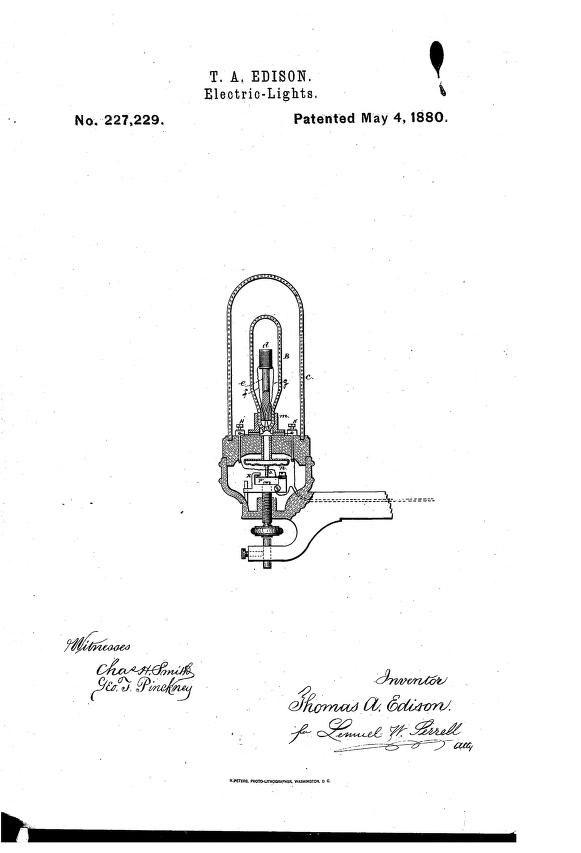
The project, which has received funding from the National Archives and the NEH, has painstakingly organized and annotated Edison’s papers and made them available to researchers in both digital and print formats. The 12-volume book edition, especially, reveals “the depth, breadth, and complexity of Edison’s work with unprecedented detail.”
Connecting with Our Immigrant Past
With support from the NEH, Tyler Anbinder, professor of history at George Washington University, created a digital record of the savings and deposits Irish immigrants in New York City made at the Emigrant Industrial Savings Bank in the second half of the 19th century. An analysis of the digitized records revealed that Irish immigrants achieved a measure of prosperity that challenges popular perceptions of them as impoverished. The archive is available online for anyone to use to learn more about our nation’s immigrant past.
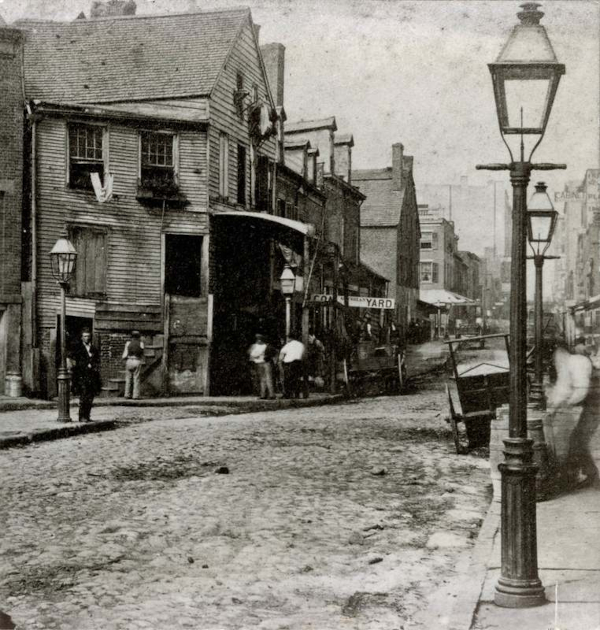
Anbinder’s project is just one of many projects about the immigrant experience that the NEH has supported. The agency has also provided funds to the Immigrant Stories project at the University of Minnesota, which collects the personal histories of recent immigrants in short video format. A similar project at the University of Kansas focuses on the immigration experiences of Africans and their impact on Midwestern communities. These digital collections ensure that contemporary immigrant voices also become part of the historical record.
Finding Common Ground Through Music
For more than 20 years, Tulane University Professor of American Studies Nick Spitzer has been hosting American Routes – a weekly two-hour public radio program “presenting a broad range of American vernacular music – blues and jazz, gospel and soul, old-time country and rockabilly, Cajun and zydeco, Tejano and Latin, roots rock and pop, avant-garde and classical.”
The nationally broadcast show is produced at the university’s School of Liberal Arts with a team of scholars and students and is dedicated to exploring different genres and styles of music and how music binds together all Americans. It has featured interviews with renowned artists and featured conversations on the origins of American music.
The NEH provided foundational support for America Routes; the show is still on the air and can be heard on more than 225 stations across the United States (it can also be heard online).
Supporting Our Veterans
Since its founding in 2012 at Yale University, the Warrior-Scholar Project has helped veterans transition successfully from the military to college studies and successful post-service careers. The project received a major grant from the NEH in 2013, and today, hosts “boot camps” at top universities around the nation. The project has helped serve more than 2,500 enlisted veterans, and, in 2024 alone, “supported approximately 600 enlisted veterans through many stages of their post-military experiences, from higher education to graduate school and entering the civilian workforce.”
Universities around the nation also participate in an NEH-supported program that convenes veterans and civilians alike to reflect on war and military service. The Dialogues on the Experience of War program helps veterans “bond through collective reflection around novels, memoirs, poetry, art, music, and films that illuminate common experiences of deployment and homecoming” and “combat isolation and form networks of support, connecting them with fellow veterans, civilians, and public institutions in their communities.”
The Humanities Are for Everyone
The above examples barely scratch the surface of university-based humanities programs across the nation that help preserve, interpret, and continue America’s story. Since 1965, the National Endowment for the Humanities has awarded $6 billion in grants to scholars, universities, historic sites, and humanities councils in every U.S. state and territory. These grants have helped preserve American heritage and strengthen our national identity. (To learn more about the widespread impact of these grants, visit NEH for All.)
As the United States celebrates its 250th anniversary, AAU strongly supports continued, robust funding for the NEH so that the stories and ideas that define our nation remain accessible to all people.
Kritika Agarwal is assistant vice president for communications at AAU.